Cable management has become a critical part of modern infrastructure. Power networks, railway systems, industrial facilities, telecommunications, utilities, and transportation projects all depend on reliable systems to support and protect electrical, communication, and control cables.
Steel cable trays remain widely used because of their mechanical strength, established standards, and familiar installation methods. However, many modern projects also require corrosion resistance, lower installation weight, electrical insulation, reduced maintenance, and reliable long-term performance.
These requirements are creating new opportunities for FRP cable tray systems.
FRP, or fiber-reinforced plastic, is a non-metallic composite material made from reinforcing fibers and a polymer resin matrix. Its properties can be engineered for different structural and environmental conditions.
FRP will not replace steel in every application, but its combination of corrosion resistance, lightweight construction, electrical insulation, and design flexibility makes it increasingly important in modern cable management.
Why Cable Management Requirements Are Changing
Cable tray selection is no longer based only on load capacity and initial purchase price. Engineers increasingly evaluate how a system performs throughout transportation, installation, operation, inspection, maintenance, and replacement.
Modern cable systems may be installed in environments with high humidity, salt exposure, industrial chemicals, outdoor weather, long installation distances, limited maintenance access, or electrical isolation requirements.
A system that performs well structurally may still create long-term cost or maintenance challenges if it is poorly matched to the environment.
This is why life-cycle performance is becoming more important when selecting cable management materials.
FRP fits this shift because it combines structural capability with several non-metallic material advantages.
Corrosion Resistance for Harsh Environments
Corrosion is one of the strongest reasons to consider FRP cable trays.
Steel can perform very well in conventional indoor environments. In coastal, chemical, wastewater, railway, and other exposed applications, however, moisture, salt spray, chemicals, and high humidity can increase corrosion risk.
Galvanizing, coatings, and paint systems can protect steel, but their long-term performance depends on the condition of the protective surface. Damage during transportation, installation, or service may require future inspection or repair.
FRP does not rust like conventional steel because it is non-metallic.
This makes FRP cable management especially suitable for:
Coastal and marine infrastructure
Chemical processing facilities
Wastewater treatment plants
Railway systems
Outdoor electrical installations
High-humidity industrial environments
For cable systems installed in difficult-to-access locations, reducing corrosion-related maintenance can provide a practical operational advantage.
Lightweight Construction Can Simplify Installation
Large infrastructure projects may require hundreds or thousands of cable tray sections, brackets, covers, and supports. Every component must be transported, unloaded, handled, positioned, and installed.
FRP and SMC composite components are generally lighter than comparable steel components. Lower weight can help simplify site logistics and handling, particularly on long routes or in locations where heavy lifting equipment is difficult to use.
This can be valuable in railway corridors, tunnels, elevated structures, remote infrastructure, and industrial facilities with restricted access.
Avatar Composite manufactures the AVATAR SMC Composite Cable Bracket using compression molding.
According to the company's product information, the bracket is designed for corrosion resistance, flame retardancy, anti-static performance, oxidation resistance, UV resistance, and customizable loading classes and installation methods.
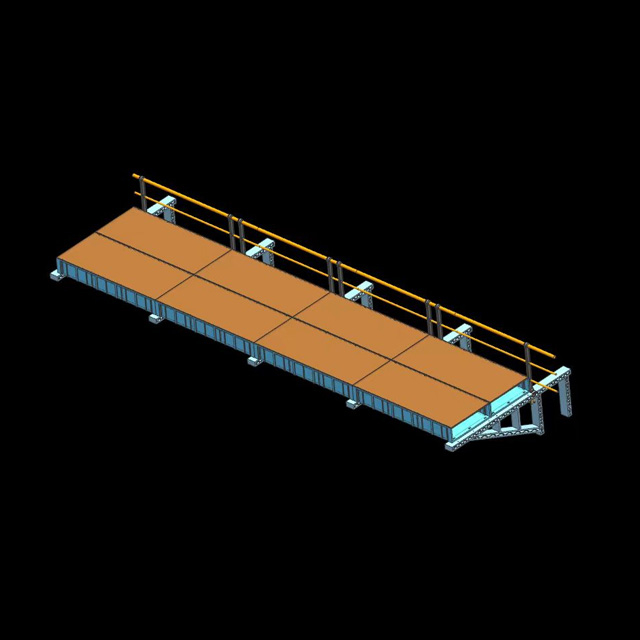
Image 1: AVATAR SMC Composite Cable Bracket
Lightweight construction does not eliminate the need for structural evaluation. Cable weight, span length, support spacing, loading class, installation method, and project-specific requirements must still be considered.
Electrical Insulation Is a Key Non-Metallic Benefit
Steel is electrically conductive, so grounding and bonding are important considerations in metal cable tray systems.
FRP is non-metallic and can provide electrical insulation.
This can be useful in:
This characteristic gives engineers another design option when conductivity is undesirable.
It does not replace the need to comply with electrical codes, fire-performance requirements, or project specifications, but it creates a clear difference between FRP and conventional metal cable management systems.
Lower Maintenance Can Improve Life-Cycle Value
The initial material price is only one part of the total cost of a cable tray system.
Life-cycle costs may include transportation, installation, inspection, corrosion protection, maintenance, repair, replacement, and access to difficult locations.
A steel cable tray installed indoors in a dry environment may require little maintenance. In corrosive environments, repeated inspection or protective treatment can increase long-term costs.
Maintenance access can also be expensive. Cable systems installed along railway lines, inside tunnels, above industrial equipment, or in remote locations may require special equipment, additional labor, or operational restrictions.
Because FRP does not rust like steel, it can reduce some corrosion-related maintenance requirements.
For these projects, evaluating life-cycle performance can be more useful than comparing initial purchase prices alone.
FRP Can Be Engineered for Different Applications
FRP is not one fixed material with one fixed performance level.
Composite performance can be adjusted through:
This flexibility allows FRP cable management components to be designed for different operating conditions.
One project may prioritize corrosion resistance. Another may require electrical insulation or low installation weight. A railway project may need all of these characteristics together with structural reliability and outdoor durability.
For this reason, the right question is not whether FRP is simply stronger or weaker than steel.
The more useful question is whether the selected FRP system can meet the required load, environmental, electrical, and installation conditions.
This application-based approach provides a more practical basis for cable tray selection than comparing material names alone.
Railway Infrastructure Highlights the Benefits of FRP
Railway infrastructure is a strong example of where FRP cable management can provide multiple benefits at the same time.
Railway cable systems can extend over long distances and support signaling, communication, power, and control cables.
They may also be exposed to:
In these conditions, lightweight components can simplify handling, while corrosion resistance can support long-term durability.
Non-metallic construction may also provide electrical advantages depending on system requirements.
Avatar Composite offers the AVATAR Composite Cable Trench for Railway System, an FRP composite cable trench designed for railway applications.
According to the official product information, it can be customized for different loading classes and dimensions and is designed with corrosion resistance, flame retardancy, anti-static performance, and UV resistance.
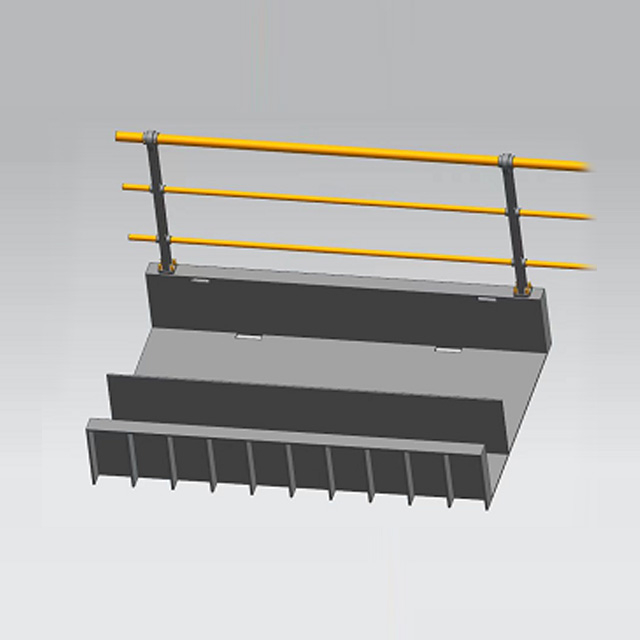
Image 2: AVATAR Composite Cable Trench for Railway System
This application also shows that FRP cable management is not limited to one tray or bracket. Composite materials can be used across cable supports, brackets, trenches, covers, and related infrastructure components.
Will FRP Replace Steel Cable Trays?
FRP is unlikely to replace steel completely.
Steel remains a proven engineering material with established structural performance, familiar installation methods, wide availability, and cost-effective performance in many conventional environments.
The future of cable management is more likely to involve better material selection rather than one material replacing another.
FRP becomes especially attractive when several requirements occur together:
In these conditions, FRP gives engineers an alternative that can address several project challenges at the same time.
How to Choose an FRP Cable Tray System
FRP offers important advantages, but correct product selection still requires engineering evaluation.
Before specifying an FRP cable management system, engineers should consider:
Cable load and loading class
Span length and support spacing
Environmental and chemical exposure
Temperature conditions
Electrical requirements
Fire-performance requirements
Installation method
Maintenance access
Expected service life
Applicable standards and project specifications
The best system is not simply the lightest or most corrosion-resistant product. It is the system that matches the complete operating conditions of the project.
Conclusion
The future of cable management is moving beyond basic mechanical support.
Modern infrastructure increasingly requires corrosion resistance, lower installation weight, electrical insulation, installation efficiency, durability, and predictable life-cycle performance.
FRP cable tray systems address many of these requirements. Their non-metallic construction makes them attractive in corrosive environments, while their lighter weight can simplify transportation and installation. Electrical insulation provides another advantage where conductivity is undesirable, and composite design allows products to be engineered for different structural and environmental requirements.
Steel will continue to play an important role in cable management, especially in conventional applications where its strength, familiarity, and cost make it an effective solution.
However, for projects where corrosion, installation weight, electrical insulation, difficult maintenance access, and long-term environmental exposure are major considerations, FRP cable tray systems are positioned to become an increasingly important part of modern cable management.
Avatar Composite provides FRP and SMC composite cable management solutions for railway, industrial, and infrastructure applications, with customizable designs for different loading classes, installation methods, and project requirements.


