Cable trays play an important role in electrical infrastructure. They support and organize power, communication, and control cables while providing accessible routes for inspection, maintenance, and future expansion.
Steel has long been a common choice because of its established mechanical performance and familiar installation methods. However, corrosion exposure, installation weight, and electrical requirements can make other materials worth considering.
FRP cable trays offer a non-metallic alternative. In suitable applications, they can provide corrosion resistance and handling advantages, but their performance must be evaluated against the same project-specific requirements as steel.
This guide compares FRP and steel cable trays, explains how SMC composite components relate to cable management, and outlines the information needed to select an appropriate system.
What Are FRP and Steel Cable Trays?
FRP stands for fiber-reinforced plastic. In cable tray applications, it commonly refers to glass-fiber-reinforced polymer composites. Their properties depend on the resin, reinforcement, manufacturing process, and structural design.
Steel cable trays are commonly made from galvanized carbon steel or stainless steel. Their performance depends on the steel grade, thickness, protective finish, and installation conditions.
SMC, or Sheet Molding Compound, is a fiber-reinforced thermosetting composite material used in compression molding. It can be formed into cable support components, but not all FRP cable trays are manufactured from SMC.
These related products also serve different functions:
Cable trays provide continuous support and routing for cables.
Cable brackets support cables or cable management assemblies at specific locations.
Cable trenches provide dedicated cable routes, including underground and railway installations.
Understanding these distinctions helps prevent the performance rating of one component from being applied incorrectly to another.
Corrosion Resistance
Corrosion is a major consideration when comparing FRP cable trays with steel cable trays.
Galvanized steel uses a zinc coating to protect the underlying metal. Its suitability depends on the coating specification and exposure conditions. Stainless steel offers different corrosion characteristics, but the selected grade must still match the environment.
FRP does not develop the iron-based rust associated with steel. This makes it worth considering for coastal facilities, wastewater treatment plants, chemical processing sites, and humid industrial environments.
However, resistance to rust does not mean resistance to every chemical. The resin system must be compatible with the substances, concentrations, temperatures, and exposure duration involved.
For either material, provide the supplier with a clear description of the operating environment and request relevant compatibility information before making a selection.
Weight and Installation
FRP cable tray components are often lighter than comparable steel components. Lower weight can simplify transportation, lifting, and positioning, particularly along long cable routes or where site access is restricted.
Actual installation efficiency depends on more than material weight. The number of supports, joint design, fittings, access equipment, and field modifications also affect labor requirements.
Steel systems may offer advantages where installers are familiar with the components and standard fittings are readily available. FRP systems may reduce handling effort but require different cutting, drilling, or connection procedures.
Follow the manufacturer’s instructions for the selected system. A lighter tray does not automatically permit wider support spacing, fewer fixings, or changes to the specified installation arrangement.
Mechanical Strength and Load Capacity
The most useful structural comparison is not whether FRP is generally stronger or weaker than steel. It is whether a particular tray system can safely support the required load at the proposed span.
Both materials require product-specific assessment. Important factors include:
Cable weight per unit length
Allowance for future cable additions
Support spacing and arrangement
Permitted deflection
Joint and fitting locations
Operating temperature
Concentrated or additional loads
Ask for rated load–span data and the conditions under which those ratings apply. General descriptions such as “high strength” or “heavy duty” are not substitutes for engineering documentation.
The complete load path also matters. Trays, brackets, connections, anchors, and supporting structures must all be suitable for their assigned loads.
Electrical Insulation and Conductivity
Steel conducts electricity, so grounding and bonding must be addressed as part of the electrical installation design.
FRP can provide electrical insulation, but non-metallic construction alone does not establish an electrical rating. Formulation, additives, surface conditions, and associated components can influence performance.
Anti-static behavior and electrical insulation are also different properties. A material designed to dissipate static charge should not automatically be treated as an insulating barrier.
Where electrical performance is important, request test documentation for the exact product. Consider the complete assembly, including metal fasteners and supports.
Using an insulating tray does not remove the grounding or bonding requirements that apply to cables, equipment, or other conductive components.
Fire Performance and Outdoor Exposure
Fire performance should be assessed separately from strength and corrosion resistance.
FRP formulations can be designed for flame-retardant performance, but results depend on the formulation and test method. Flame retardancy does not mean that a tray is fireproof or will maintain its load-bearing function during a fire.
Steel systems must also be assessed against any required fire-performance criteria rather than assumed suitable solely because they are metal.
For outdoor installations, consider ultraviolet exposure, moisture, temperature changes, and weathering. Confirm the suitability of the composite resin and surface protection, or the steel grade and protective finish.
Request evidence relevant to the supplied product and intended application.
Maintenance and Lifecycle Cost
Initial purchase price does not represent the total cost of a cable tray installation.
A steel system in a dry indoor environment may provide economical service with relatively limited maintenance. More aggressive environments can increase the need for corrosion inspections and protective-finish repairs.
FRP may reduce corrosion-related maintenance, but it is not maintenance-free. Inspections should still check for damage, deformation, deterioration, and loose or damaged connections.
A useful cost comparison includes:
Trays, fittings, supports, and hardware
Transportation and installation
Inspection and maintenance
Access equipment and downtime
Repairs and replacement
Avoid assuming a particular service life or percentage saving without evidence relevant to the project.
FRP Cable Trays vs. Steel Cable Trays: Quick Comparison
| Selection Factor | FRP Cable Trays | Steel Cable Trays |
| Corrosion behavior | No iron-based rust; chemical resistance depends on resin and exposure | Depends on steel grade, finish, and exposure |
| Weight | Often lighter for comparable applications | Often heavier; confirm actual system weight |
| Electrical properties | Can provide insulation; verify product-specific data | Conductive; address grounding and bonding |
| Load capacity | Verify rated load, span, and deflection | Verify rated load, span, and deflection |
| Fire performance | Depends on formulation and tested system performance | Assess against project fire requirements |
| Outdoor suitability | Confirm UV and weathering resistance | Confirm grade and protective finish |
| Maintenance | Inspect for damage, deterioration, and connection issues | Inspect for corrosion, damage, and connection issues |
| Overall cost | Compare installed and lifecycle costs | Compare installed and lifecycle costs |
Where FRP Cable Trays May Be Suitable
FRP deserves consideration where corrosion exposure, handling constraints, or specific electrical requirements influence material selection.
Potential applications include wastewater treatment, chemical processing, coastal infrastructure, outdoor electrical installations, and certain railway or industrial projects.
Suitability still depends on the selected product. A composite appropriate for one chemical environment may not suit another, and a tray rated for one span cannot automatically be used at a longer span.
Steel remains a practical choice for many conventional installations, particularly where environmental exposure is limited and the specified system meets project requirements.
The decision should reflect the installation conditions rather than a preference for one material in every application.
How SMC Cable Brackets Fit into the System
Cable brackets are related support components, not complete cable trays.
Avatar Composite offers SMC composite cable brackets manufactured through compression molding. Its product information describes customization for different loading requirements and installation arrangements, along with corrosion-resistant and other material properties.
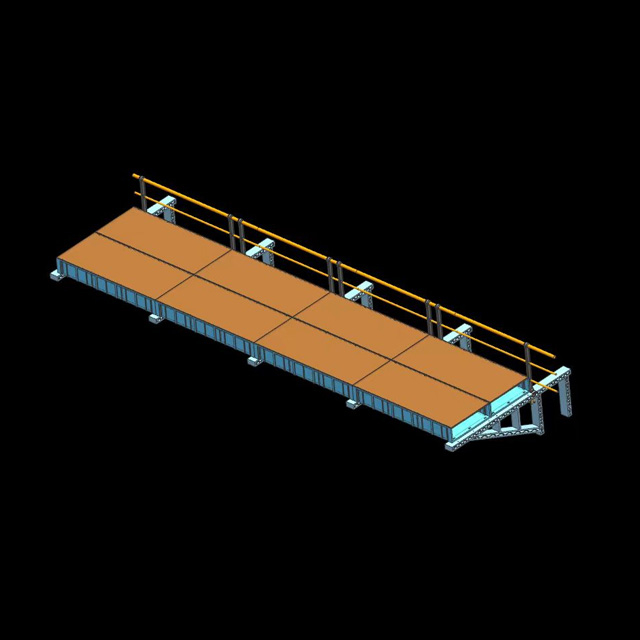
Image 1: System illustration from Avatar Composite’s SMC cable bracket product page.
When evaluating these brackets, request dimensions, fixing details, load-test conditions, and information about compatibility with the proposed assembly.
Do not apply a bracket’s rating to the entire cable management system. Each component and connection must be checked for its intended function. Electrical, environmental, and fire-related properties should also be confirmed for the selected model.
Composite Cable Trenches for Underground Applications
Underground routing introduces requirements that differ from those of an elevated cable tray.
Avatar Composite’s SMC Composite Underground Cable Trench DLC is presented for buried cable applications. It is a related cable management solution, rather than a direct replacement for every steel cable tray installation.
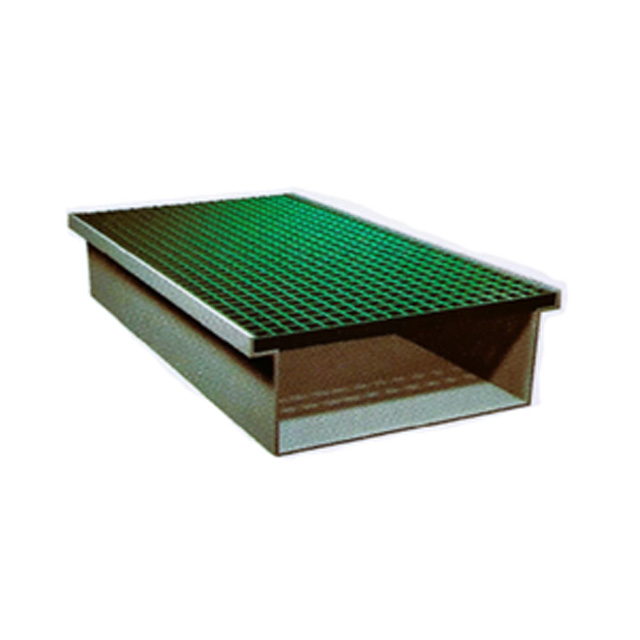
Image 2: Avatar Composite SMC Composite Underground Cable Trench DLC.
Assessment should address installation depth, soil conditions, drainage, surrounding loads, cover requirements, and maintenance access.
Request drawings and load information for the intended configuration. Where insulation, anti-static properties, or flame retardancy are specified, verify each requirement separately using the appropriate product documentation.
What to Check Before Selecting a System
Ask suppliers for documentation that allows proposals to be compared on equivalent terms:
Material specifications: Resin and reinforcement details, or steel grade and finish.
Structural data: Rated loads, support spans, deflection limits, and test conditions.
Environmental suitability: Chemical compatibility, temperature limits, and outdoor exposure information.
Electrical and fire performance: Relevant results for the proposed product.
Installation guidance: Support arrangements, joints, fixings, and permitted field modifications.
System drawings: Trays, fittings, brackets, covers, connections, and interfaces.
Identifying missing information before ordering can reduce installation changes and prevent unsuitable substitutions.
Frequently Asked Questions
Do FRP cable trays rust?
They do not develop iron-based rust. However, chemical exposure and weathering can still affect composite materials, so the resin and product specification must suit the environment.
Can FRP cable trays support heavy cables?
Appropriately designed systems can. Confirm capacity using load–span data, support requirements, and operating conditions for the selected product.
Are FRP cable trays always electrically insulating?
No blanket assumption should be made. Electrical properties depend on the formulation and product design. Request relevant test data where insulation is required.
Is SMC the same as FRP?
SMC is a type of fiber-reinforced thermosetting molding compound. FRP is the broader material category, and not all FRP products use SMC.
Is steel always cheaper than FRP?
Not necessarily. Purchase prices vary, while installed and lifecycle costs also depend on labor, supports, environmental exposure, maintenance, and access requirements.
Conclusion
FRP and steel cable trays each have useful applications. Steel offers established structural performance and familiar installation methods. FRP can provide advantages where corrosion exposure, handling weight, or specific electrical properties are important.
Select the system using verified load data, environmental compatibility, installation requirements, and lifecycle considerations—not material claims alone.
Keep trays, brackets, and trenches clearly distinguished when comparing solutions. For projects involving composite supports or underground routing, discuss the required configuration with Avatar Composite and request documentation for the proposed components before finalizing the specification.


