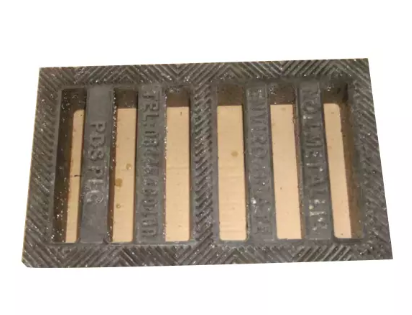
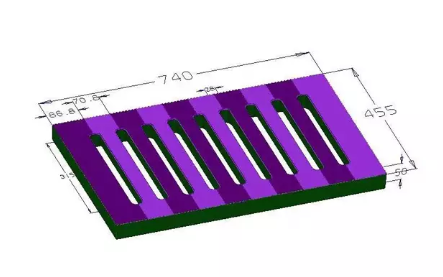
Drainage failure is not always about poor water flow. In many projects, the real problem starts when the grating rusts, loosens, or becomes unsafe. FRP Gully Grating offers a corrosion-resistant option for wet, chemical, and outdoor drainage areas. In this article, we will discuss where it works best, why it helps, and how to choose it correctly.
Key Takeaways
FRP Gully Grating is designed for drainage projects where moisture, salt, chemicals, and wastewater can damage traditional metal grates. It helps reduce rust problems, supports safer walking surfaces, and lowers long-term maintenance needs. It is especially useful in wastewater plants, chemical areas, coastal drainage systems, urban roads, car wash zones, and industrial trenches. Compared with metal grating, it is lighter to handle and does not need regular anti-rust coating. However, buyers should not choose it by price alone. The right resin type, load rating, mesh size, surface finish, and fixing method all matter. For harsh drainage projects, the best choice is not simply the strongest grating. It is the grating that matches the real exposure, traffic level, and installation structure.
1. Why Corrosion Resistance Matters in Drainage Projects
Drainage Channels Face Constant Exposure
Drainage channels work in places where water, dirt, chemicals, and road waste collect every day. A gully grating may face rainwater in a city road, sewage in a treatment plant, salt spray near the coast, or cleaning liquid in an industrial workshop. Over time, this exposure attacks weak materials.
When a drainage system is designed, the grating is often treated as a small part. In reality, it affects water flow, access safety, and repair frequency. If the grating fails, the whole drainage area may become unsafe or hard to maintain.
Metal Grates Can Rust in Harsh Areas
Steel and cast iron grates are common, but they can rust in wet or corrosive places. Once the protective coating wears away, rust spreads faster. The surface may become rough, edges may weaken, and the cover may no longer sit firmly in the frame.
This matters in chemical plants, coastal roads, food processing areas, and wastewater systems. These sites do not only need a strong grate on day one. They need a drainage grating that can keep its performance after long exposure.
Corrosion Can Affect Safety and Cost
Corrosion is not just a surface problem. It can reduce load safety, create sharp edges, increase slipping risks, and lead to noisy or unstable covers. In vehicle-access zones, weak grating can become a serious site risk.
Poor material choice also brings hidden costs. The project owner may need rust treatment, repainting, replacement stock, labor scheduling, and traffic control. A corrosion resistant FRP gully grating helps reduce these repeated tasks because it does not rely on surface coating for rust protection.
Tip:Before choosing a grating, list every liquid or chemical it may contact during normal use and cleaning.
2. Key Advantages of FRP Gully Grating for Corrosive Drainage Systems
Strong Resistance to Moisture and Chemicals
FRP Gully Gratingis made from fiber-reinforced composite material. It resists moisture, salt, acids, alkalis, and many common drainage contaminants better than untreated metal. This makes it useful in places where water and chemical exposure are part of daily operation.
For example, an FRP drain grating for chemical plants may face washdown water, diluted chemicals, and process residue. A fiberglass gully grating for wastewater drainage may face sewage, cleaning agents, and humid air. In these cases, corrosion resistance helps protect both function and appearance.
Lightweight Handling for Faster Installation
Weight affects more than shipping cost. It also affects how workers move, lift, position, and replace the grating on site. FRP grating is usually easier to handle than heavy metal grates. This can help reduce installation time, especially when many trench covers or gully covers must be installed across a project.
Lightweight handling also matters during maintenance. If a team needs to inspect a drainage channel often, a lighter cover is easier to remove and reset. This can improve work efficiency and reduce strain during routine checks.
Anti-Slip Surface for Wet Areas
Drainage areas are often wet, oily, muddy, or exposed to cleaning water. A smooth surface may become dangerous. FRP Gully Grating can be made with an anti-slip surface to help improve traction in pedestrian zones, industrial floors, outdoor walkways, and service areas.
This feature is important for urban drainage and industrial drainage. People may walk near the channel during rain, cleaning, or equipment movement. A stable surface helps reduce slip risks.
Non-Conductive Performance
FRP is non-conductive, so it is useful in utility areas, electrical facilities, or drainage zones near cables and equipment. Metal grates may create extra concerns in wet areas where electrical safety matters. FRP does not remove the need for correct electrical design, but it can support safer material selection.
Lower Maintenance Over Time
A composite gully grating for industrial drainage can reduce the need for repainting, anti-rust coating, and frequent replacement. This does not mean it needs no care at all. It still needs cleaning and inspection. But the maintenance focus shifts from rust control to simple surface and fixing checks.
Note:Corrosion resistance does not replace load design. The grating must still match the project’s support span and traffic class.
3. Where FRP Gully Grating Works Best in Drainage Projects
Wastewater Treatment Plants
Wastewater treatment plants are one of the strongest use cases for FRP gully grating for drainage. These sites often include moisture, sewage, cleaning agents, and corrosive gases. Metal covers may rust fast in this environment, especially near open channels or treatment zones.
FRP helps because it can handle wet and chemically active areas. It also supports easier access for inspection and cleaning teams.
Chemical Plants and Industrial Workshops
FRP trench grating for corrosive environments is suitable for chemical workshops, plating areas, process plants, and production floors. These sites may release acids, alkalis, oils, or cleaning liquids into drainage channels.
In these projects, the grating should not only carry traffic. It must resist the liquid environment. The resin system, surface finish, and thickness should be matched to the chemical exposure.
Coastal and Marine Drainage Systems
Coastal projects face salt spray, humid air, and outdoor weather. Metal drainage grates may rust faster in this setting. FRP drainage grating for coastal projects helps reduce corrosion risk in ports, docks, waterfront roads, and marine service areas.
It also keeps installation easier where access is limited or where heavy lifting equipment is hard to use.
Urban Roads and Stormwater Channels
In municipal projects, grating selection affects road safety, water discharge, and maintenance planning. FRP gully grating can be used in stormwater channels, sidewalks, service roads, and public drainage points. Its corrosion resistance and low maintenance needs make it useful for long-term infrastructure.
Commercial Wet-Service Areas
Car washes, food processing floors, parking areas, commercial kitchens, and service yards also need corrosion-resistant drainage. These sites see water, detergents, waste, and daily cleaning. FRP can help keep drainage areas safer and easier to maintain.
4. FRP Gully Grating vs Metal Grating in Corrosion-Resistant Projects
Choosing between FRP and metal depends on the site. Metal grating may still work in dry, low-corrosion areas. But in wet or chemical drainage projects, FRP often gives better long-term value.
Factor
FRP Gully Grating
Metal Grating
Corrosion resistance
Resists moisture, salt, and many chemicals
May rust or need coating
Weight
Easier to carry and install
Heavier to move
Maintenance
Mainly cleaning and inspection
May need repainting or rust repair
Safety
Anti-slip and non-conductive options
Conductive and may lose coating
Best use
Wet, coastal, chemical, and wastewater drainage
Dry or low-corrosion areas
Corrosion Performance
FRP does not rust like steel or cast iron. It also does not depend on a painted or galvanized layer for corrosion control. This is useful in drainage channels where abrasion, water, or chemicals may damage surface coatings.
Weight and Installation
FRP is easier to move and position, especially for trench grating and gully grating systems. It can support faster installation and easier removal during inspection.
Maintenance and Service Life
Metal grates often need surface maintenance when rust appears. FRP grating still needs inspection, but it avoids the same rust cycle. For sites where downtime is costly, this difference can matter more than the initial price.
Safety Performance
FRP can offer anti-slip texture and electrical insulation. These features help in wet industrial areas, utility zones, and pedestrian drainage channels.
Tip:For replacement projects, check the existing frame condition before ordering new grating panels.
5. How to Select the Right FRP Gully Grating for a Drainage Project
Confirm the Corrosive Exposure Level
Start by identifying what the grating will face. Is it rainwater, seawater, wastewater, diluted acid, alkali, oil, detergent, or mixed industrial liquid? Each environment has different risk levels.
A standard drainage area may not need the same specification as a chemical trench. A coastal road may need stronger salt resistance than an indoor commercial floor. The exposure list should guide resin choice and surface design.
Match Resin Type to the Environment
The resin system affects chemical resistance, temperature performance, and fire behavior. For general drainage, one resin type may be enough. For chemical plants or wastewater facilities, a higher-resistance system may be needed.
Do not select resin only by product name. Ask for compatibility based on the real site medium. If the project includes unknown chemicals, testing or supplier confirmation is safer.
Choose the Right Load Rating
Load rating must match use conditions. A pedestrian area, light vehicle entrance, factory trench, forklift route, and road drainage point all need different load planning. Heavy duty FRP gully grating may be needed where vehicles or equipment pass over the channel.
The support span also affects load performance. A strong panel may still perform poorly if the frame or bearing surface is weak.
Check Mesh Size, Thickness, and Open Area
Mesh size affects drainage flow, debris control, and walking comfort. A larger opening can improve water discharge but may allow more debris to enter. A smaller opening may feel safer for pedestrians but can block faster if leaves or dirt collect.
Panel thickness affects strength and span capacity. Open area affects water flow. These factors should be considered together, not separately.
Select the Right Surface Finish
Wet areas need anti-slip performance. Gritted, concave, covered, or textured surfaces may be selected based on walking risk, cleaning method, and site traffic. For public areas, comfort and appearance also matter. For industrial trenches, grip and durability are usually more important.
Consider Custom Size and Installation Method
Drainage channels rarely have one universal size. Custom cutting, frame matching, fixing clips, and trench dimensions all affect installation. A grating should sit flat, stay stable, and allow easy inspection access.
Note:Send drawings, load needs, and exposure details before ordering. It helps avoid wrong specifications.
6. Installation and Maintenance Considerations
Prepare the Drainage Channel First
Before installation, check the channel width, frame level, support surface, and water flow path. Remove debris, concrete residue, or old rust from the bearing area. The grating should sit evenly on the support frame.
Use Proper Fixings
Clips and fasteners help prevent movement, uplift, and noise. They also improve safety in public areas and industrial sites. The fixing method should match the panel type, frame material, and traffic condition.
Avoid Overloading
FRP Gully Grating resists corrosion, but it still has a design limit. Do not use a pedestrian-grade panel in a vehicle area. Load class, support span, and panel thickness must work together.
Keep Maintenance Simple
Regular maintenance should include debris removal, water cleaning, surface checks, and fixing inspection. If a panel is cracked, badly worn, or no longer stable, replace it before it creates a safety issue.
7. Common Mistakes to Avoid When Choosing FRP Gully Grating
Choosing Only by Price
Low price may look attractive, but it can lead to early failure if the resin, thickness, load rating, or surface finish is wrong. Drainage projects need long-term reliability, not just low purchase cost.
Ignoring Chemical Compatibility
Not every corrosive site is the same. Wastewater, seawater, detergents, acid runoff, and industrial solvents can require different specifications. Always confirm compatibility before final selection.
Using One Specification Everywhere
A sidewalk channel, road gully, chemical trench, and coastal drainage outlet may need different grating designs. Using one product for all areas can create weak points in the project.
Overlooking Installation Details
Even a good grating can fail if it has poor support. Weak frames, wide spans, wrong clips, or uneven bearing surfaces can cause movement, noise, or damage. Installation details should be checked as carefully as material choice.
Conclusion
Choosing the right grating keeps drainage safer and easier to maintain.Avatar Composite Co,Ltd.supplies FRP Gully Grating and related urban drainage products. Its products resist corrosion, moisture, and outdoor wear. They also support safer installation and lower maintenance. Custom support helps match each drainage project.
FAQS
Q: What is FRP Gully Grating?
A: FRP Gully Grating is a composite cover for drainage channels.
Q: Why use FRP Gully Grating?
A: FRP Gully Grating resists rust, moisture, and chemicals.
Q: Where is FRP Gully Grating used?
A: FRP Gully Grating fits wastewater, coastal, and industrial drains.
Q: Is it cheaper than metal?
A: It may cost more first, but maintenance is lower.
Q: How do I choose the right type?
A: Check load, chemicals, size, and surface finish.
Avatar Composite is a leading SMC material manufacturer based in China with more than 20 years R&D experience in drainage system and municipal facilities. We produce SMC manhole covers,frame, gully grating, water box, traffic box, telecom box, cable trench, bridge drainage trench, etc.