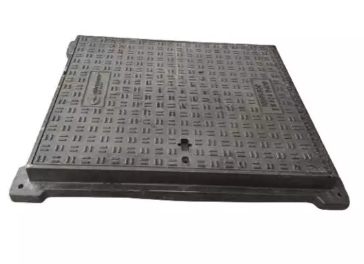
Road covers fail quietly before they fail visibly. A small rattle, a loose frame, or a cracked edge can turn into a safety risk when vehicles pass over it every day. For road projects, choosing an SMC FRP Composite Manhole Cover means looking beyond price. In this article, we explain load rating, traffic pressure, material choice, fit, safety, and long-term performance.
Key Takeaways
Choosing a manhole cover for roads with frequent vehicle loads starts with the real traffic condition. The cover must handle not only vehicle weight, but also repeated pressure, braking force, turning force, and vibration. A suitable SMC FRP Composite Manhole Cover can help reduce corrosion, theft risk, and handling difficulty while supporting road drainage, utility, and municipal access needs. Load rating should match the road environment, from light vehicle areas to heavy traffic zones. Size, frame fit, bedding quality, and anti-slip surface design also affect service life. For the best result, buyers should check road type, heaviest expected vehicle, load class, material, frame condition, and maintenance access before purchase.
1. Understand Vehicle Load Conditions Before Choosing a Manhole Cover
Identify the type of road traffic
The first step is to study the road itself. A residential street does not create the same pressure as a logistics yard. A parking area is different from a bus lane. A municipal road may carry cars, vans, waste trucks, emergency vehicles, and maintenance vehicles in the same day.
Frequent vehicle loads create repeated stress. This stress moves from the cover to the frame, then into the bedding and road surface. If any part is weak, the cover may move, rattle, crack, or sink.
For this reason, a manhole cover for vehicle load should be selected by road use, not by appearance alone. The same cover may work well in one site but fail early in another.
Evaluate traffic frequency, not only vehicle weight
Many buyers only ask, “How heavy is the vehicle?” That is useful, but incomplete. A light vehicle passing every few minutes may create more long-term wear than a heavier vehicle passing once a week.
Repeated loads can cause fatigue. The cover may stay intact at first, yet small movement can damage the seating area. Over time, frame wear increases. Noise becomes more obvious. Water may enter gaps. The road surface around the frame may weaken.
This is why frequent traffic needs a traffic rated manhole cover. It should be designed for both load capacity and long-term stability.
Consider dynamic loads from braking, turning, and acceleration
Road load is not always vertical. Near intersections, curves, parking entrances, loading bays, and bus stops, vehicles brake, turn, and accelerate. These actions create extra force.
A wheel may hit the cover edge during turning. A truck may brake on top of the frame. A bus may stop on the same cover many times each day. These dynamic loads increase stress far beyond normal rolling traffic.
In these locations, a heavy duty composite manhole cover should have a suitable load class, a stable frame, and a surface that helps prevent slipping.
Match the cover to the heaviest possible vehicle
A good selection should consider the heaviest realistic vehicle. This may include fire trucks, delivery trucks, waste collection vehicles, road repair machines, or future traffic changes.
Do not choose only for today’s light cars. Roads change. A quiet service lane may become a delivery route. A parking area may later serve heavier vehicles. Choosing a higher load class when conditions are uncertain can reduce replacement risk.
Tip:Always confirm the heaviest possible vehicle before choosing the cover, frame, and installation method.
2. Choose the Right Load Rating for Road Manhole Covers
Common load classes used for road applications
Road manhole cover load rating tells you how much load the cover is designed to bear. Different regions may use different standards, but many projects refer to common classes such as A15, B125, C250, D400, E600, and F900.
The key point is simple. Lower classes suit pedestrian or light-duty areas. Higher classes suit roads, heavy traffic, industrial yards, ports, and extreme load zones.
Load Class
Typical Use Scenario
Selection Note
A15
Pedestrian areas, gardens, light access zones
Not suitable for frequent vehicles
B125
Driveways, light vehicle zones
Use only for low traffic
C250
Kerbside areas, parking zones, light roads
Suitable for moderate vehicle exposure
D400
Roads, streets, frequent vehicle traffic
Common choice for road applications
E600
Industrial roads, logistics zones, loading areas
Better for heavy vehicle movement
F900
Airports, ports, extreme load areas
Used only for very demanding sites
When D400 is suitable for frequent road traffic
D400 is often selected for roads where vehicles pass often. It suits many city roads, access roads, and utility access points exposed to regular traffic.
For an SMC FRP Composite Manhole Cover, the load rating must be confirmed by the product design and test standard. A composite cover used on a road should not only be light and corrosion resistant. It also needs proven composite manhole cover load capacity for its application.
D400 can be a practical choice when the road carries cars, vans, buses, and occasional trucks. The final choice still depends on local standards, traffic speed, installation quality, and road structure.
When E600 or higher may be necessary
Some roads demand more strength. Industrial parks, freight terminals, loading docks, fuel stations, ports, and logistics yards often carry heavier vehicles. In these areas, E600 or stronger classes may be needed.
A reinforced composite cover can help when buyers need higher load performance but still want the benefits of composite material. These benefits may include corrosion resistance, lower scrap value, easier handling, and custom color options.
High load areas also need strong frame support. Even a strong cover can fail if the surrounding bedding is weak.
Why load rating should match future traffic
The correct manhole cover load class should match the site’s future use, not only its current use. This matters in new industrial zones, expanding municipal roads, or commercial sites where traffic may grow.
Under-specification may reduce purchase cost at first. Yet it can lead to road repairs, traffic control costs, safety issues, and replacement work. A stronger class may offer better value when the site has uncertain traffic plans.
Note:A higher load class does not fix poor installation. Frame support is still critical.
3. Compare Manhole Cover Materials for Frequent Vehicle Loads
SMC FRP Composite Manhole Cover for corrosion resistance and theft prevention
An SMC FRP Composite Manhole Cover is made from sheet molding compound and fiber reinforced plastic. It is non-metallic, so it has no normal scrap value like metal covers. This helps reduce theft risk in public roads and utility areas.
It also resists corrosion from water, salt, and many road environments. This makes it useful for road drainage, municipal facilities, cable access, telecom access, and utility chambers. A composite drainage cover for roads can also reduce handling effort during installation and inspection.
Many SMC designs offer anti-slip patterns, optional locking systems, and color choices. These features support road safety and site management.
Cast iron and ductile iron for heavy road loads
Cast iron and ductile iron covers have a long history in road use. They are strong and familiar to contractors. They are often used in heavy road applications where high impact resistance is required.
However, they are heavy. Installation and maintenance may need more labor or lifting tools. Metal covers can also rust if coatings fail. In some markets, metal theft is another concern.
For buyers, the decision is not “composite or metal” in general. It is about matching the cover to the load, road type, environment, maintenance plan, and project budget.
Steel-reinforced composite options for demanding traffic areas
Some projects need more load performance than a standard composite cover can provide. In these cases, reinforced composite cover designs may be considered. They can support stronger road use while keeping some composite advantages.
The structure matters. Rib design, cover thickness, frame depth, material quality, and molding process all affect load performance. Buyers should review test data, load class, and installation guidance before placing an order.
How to choose between composite and metal covers
Choose composite when corrosion, theft risk, easy handling, insulation, color options, and lower maintenance are priorities. Choose metal when the project requires traditional heavy-duty road performance and local standards strongly prefer it.
For frequent vehicle roads, both options must be judged by certified load rating and frame stability. A heavy traffic manhole cover is only reliable when material, load class, and installation work together.
Tip:Ask for load class documents and installation guidance before confirming bulk orders.
4. Check Size, Shape, and Frame Fit Before Installation
Measure the clear opening correctly
The cover size should match the chamber opening. Buyers should measure the clear opening, not just the old cover. For square or rectangular openings, check length and width. For round openings, check the inner diameter.
Wrong size creates movement. Movement causes noise, road damage, and safety risk. It can also reduce the real load capacity of the whole system.
Confirm frame depth and seating stability
The frame supports the cover. If the frame is shallow, loose, twisted, or poorly seated, the cover may rock under vehicles. This can damage both the cover and the road surface.
Roadway access cover selection should include frame depth, bedding material, surrounding pavement, and drainage condition. A stable frame spreads the load better.
Choose the right shape for road safety
Round covers are common in roads because they are easy to handle and cannot fall through a round opening of the same size. Square and rectangular covers can be useful for utility access or modular paving layouts.
Shape should follow the chamber design, access needs, and road surface. For frequent vehicle areas, the shape must also support safe load transfer.
Replace the cover and frame together when needed
If the frame is damaged, replacing only the cover may not solve the problem. A new cover placed on a worn frame may still rattle, tilt, or fail early.
Before installation, check cracks, corrosion, loose bedding, uneven seating, and road settlement. Replacing the full cover and frame set may be safer in many road projects.
5. Evaluate Road Environment and Long-Term Durability
Corrosion exposure from water, chemicals, and salt
Roads face water, mud, oil, fuel, deicing salt, and chemical exposure. Coastal roads and industrial roads can be even more aggressive. These conditions may shorten the life of metal covers.
An FRP manhole cover for roadway use can help in these sites because it resists corrosion. This is one reason SMC composite is often used in drainage and municipal projects.
Temperature changes and weather resistance
Outdoor covers face heat, sunlight, cold, and rain. In some areas, freeze-thaw cycles can stress the frame and surface. The cover must resist cracking, deformation, and aging.
SMC material is often selected for weather resistance. Still, buyers should confirm the product is suitable for the local climate and the expected road load.
Water ingress, odor control, and sealing needs
Road drainage and sewer access may need sealing. A better fit helps reduce water ingress, odor escape, and dirt entry. Some covers can use rubber seals or locking options to improve site control.
Not every road needs a sealed cover. But wet roads, flood-prone zones, and utility chambers may benefit from improved sealing.
Anti-slip surface design for vehicle and pedestrian safety
Road covers should provide grip. This matters when surfaces are wet, oily, or placed near pedestrian crossings. Anti-slip patterns help vehicles and pedestrians move safely.
A good SMC manhole cover for road drainage should combine load capacity, surface grip, and stable installation. Safety depends on all three.
Note:Anti-slip design is important, but it cannot replace correct load class selection.
6. Look for Safety, Security, and Maintenance Features
Locking systems for high-traffic or public areas
Locking systems help keep covers in place. They also reduce unauthorized access. This is useful for public roads, utility access points, telecom chambers, and drainage systems.
A lockable road cover can also reduce vibration-related movement. It supports safer maintenance control.
Anti-theft benefits of SMC FRP Composite Manhole Cover
Because SMC FRP material is non-metallic, it has no typical metal scrap value. This makes the anti-theft manhole cover useful in public infrastructure.
Theft can create dangerous open chambers. It can also increase emergency repair costs. Composite covers help reduce this risk.
Easy handling for inspection and maintenance teams
Lighter covers are easier to lift, move, and reinstall. This can improve maintenance speed and reduce worker strain.
For roads that need regular inspection, a lightweight vehicle load cover may save time. It may also reduce the need for heavy lifting tools.
Noise and vibration control under repeated traffic
Rattling covers are a common road problem. They may come from poor fit, weak frames, worn seating, or wrong load class.
A stable frame, correct bedding, and suitable cover design help reduce noise. This improves road comfort and extends product life.
7. Practical Selection Checklist for Road Projects
Define the road use scenario
Start with the site. Is it a residential road, commercial street, parking lot, logistics route, industrial road, or municipal access point? Then check traffic volume, vehicle type, speed, turning areas, and maintenance frequency.
Confirm the required load class
Choose the load class based on the heaviest realistic vehicle and repeated traffic. When traffic conditions are unclear, select a stronger class after checking local standards.
Select the most suitable material
Compare SMC FRP composite, ductile iron, cast iron, and reinforced composite. Focus on strength, corrosion resistance, theft risk, handling, sealing, and service life.
Verify dimensions, frame condition, and installation method
Measure the opening, check the frame, inspect the road surface, and confirm installation guidance. Even a high-quality SMC FRP Composite Manhole Cover will not perform well if the frame or bedding is poor.
Conclusion
Choosing road manhole covers starts with traffic loads. Buyers should check load class, road use, material, frame fit, and maintenance needs. Avatar Composite Co,Ltd.offers SMC FRP composite covers for urban drainage and utility projects. Its products help reduce corrosion, theft risk, and handling work while supporting safer road access.
FAQS
Q: What is an SMC FRP Composite Manhole Cover?
A: An SMC FRP Composite Manhole Cover is a lightweight, corrosion-resistant access cover.
Q: Is it suitable for roads?
A: Yes, if its load class matches the road traffic.
Q: Why choose composite over cast iron?
A: It reduces corrosion, theft risk, and lifting difficulty.
Q: How do I select load rating?
A: Match it to the heaviest expected vehicle.
Q: Does SMC FRP Composite Manhole Cover need locking?
A: It helps in public or high-traffic areas.
Q: Why does a cover rattle?
A: Poor frame fit or weak bedding often causes it.
Avatar Composite is a leading SMC material manufacturer based in China with more than 20 years R&D experience in drainage system and municipal facilities. We produce SMC manhole covers,frame, gully grating, water box, traffic box, telecom box, cable trench, bridge drainage trench, etc.