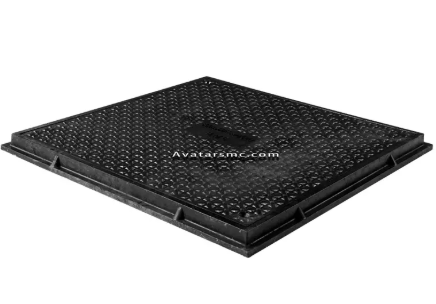
A missing, rusty, or noisy manhole cover can create more trouble than many site managers expect. In industrial parks, one weak cover may affect road safety, utility access, and daily operations. An SMC FRP Composite Manhole Cover offers a lighter, safer, and more durable option for drainage, power, telecom, gas, and service access points. In this article, we will discuss how to choose SMC utility covers for industrial park infrastructure.
Key Takeaways
●An industrial park needs utility covers based on real site use, not one standard cover for every area.
●An SMC FRP Composite Manhole Cover works well for industrial infrastructure because it is lightweight, corrosion resistant, weather resistant, and less attractive to theft.
●Load class matters. Pedestrian paths, parking areas, internal roads, and logistics routes need different cover specifications.
●The cover and frame should be selected together. A poor frame fit can cause noise, movement, water ingress, and early damage.
●Composite utility covers can support drainage, power, telecom, gas, cable trench, and access chamber systems across large parks.
●Buyers should review load reports, anti-slip design, locking options, customization ability, and long-term maintenance needs before purchase.
1. Why Industrial Park Infrastructure Needs Specialized Utility Covers
Mixed Traffic Loads Create Higher Cover Stress
Industrial parks rarely have one type of traffic. A single site may include office visitors, workers, bicycles, forklifts, vans, trucks, and emergency vehicles. These movements place different pressure on utility covers.
A cover used on a walkway may not suit a logistics road. A cover used beside a warehouse gate may need more impact resistance because vehicles brake, turn, or stop on it. This is why cover selection should begin with road function. The goal is not to buy the strongest cover for every point. The goal is to match each cover to its real load condition.
Industrial parks depend on many underground systems. Drainage lines remove rainwater. Cable trenches protect electrical and communication lines. Access chambers help teams inspect valves, meters, ducts, and pipes.
These points must stay closed during daily use, yet easy to open during inspection. A good utility cover protects the chamber, keeps the road surface stable, and gives maintenance teams safe access when needed. If a cover is hard to lift, easy to steal, or loose in its frame, it can slow repair work and create safety risks.
Corrosive and Humid Environments Increase Material Risk
Many industrial parks face harsh outdoor conditions. Rain, wastewater, chemical residue, road salt, humidity, and coastal air can damage metal over time. Rust may weaken the cover, stain the surface, or make the frame difficult to open.
A corrosion resistant FRP manhole cover is useful in these environments because it does not rust like metal. It can serve drainage areas, wastewater points, and outdoor service chambers where moisture exposure is common.
Theft, Noise, and Maintenance Costs Affect Daily Operations
Traditional metal covers can attract theft because of scrap value. Missing covers create serious hazards for vehicles and pedestrians. Even when theft is not a problem, heavy covers can raise labor effort during installation and inspection.
Noise is another issue. A loose cover may shake when vehicles pass over it. In busy parks, this creates daily disturbance and may signal poor fit or early frame damage. A well-designed SMC FRP Composite Manhole Cover can reduce these risks through lower scrap value, stable fitting, and easier handling.
2. How to Specify SMC FRP Composite Manhole Cover for Industrial Park Zones
Match Load Class to Road Function
The first step is to map the site. Divide the industrial park into pedestrian paths, green belts, parking areas, internal roads, loading zones, and heavy truck routes. Each zone has different cover needs.
For walkways or landscaped areas, a lighter load class may be enough. For vehicle entrances, service roads, and logistics areas, the cover should meet higher load requirements. If trucks or heavy equipment pass often, buyers should request test data and confirm the cover fits recognized load standards.
Tip:Share road type and vehicle load details before ordering, so the supplier can recommend the right cover class.
Select Cover Shape Based on Utility Chamber Design
SMC utility covers come in round, square, and rectangular forms. Round covers are common for manholes because they are stable and easy to align. Square covers often match inspection pits, utility rooms, and sidewalk chambers. Rectangular covers may suit cable trenches or service channels.
Shape should follow the chamber design. It should not be chosen only by appearance. If the cover does not match the chamber opening, it may create edge stress, poor sealing, or installation delays.
Confirm Frame Compatibility Before Installation
The cover and frame work as one system. Even a strong cover may fail early if the frame is weak, uneven, or poorly fitted. A mismatched frame can cause movement, noise, water entry, and edge wear.
For industrial park projects, it is better to specify a composite manhole cover and frame together. This improves fitting accuracy and helps reduce later maintenance work. The installation team should also check the base, frame level, and surrounding pavement before final placement.
Choose Anti-Slip Surface Texture for Safety
Industrial parks operate in rain, dust, oil mist, and outdoor moisture. Slip risk increases near drainage areas, loading docks, sidewalks, and vehicle entrances. The surface texture of the cover should support foot traffic and tire grip.
An anti-slip pattern is especially important where pedestrians and vehicles share space. It should also remain effective after long outdoor exposure. Buyers should ask whether the cover surface has been designed or tested for slip resistance.
Consider Locking and Anti-Theft Requirements
Some access points need more control. Power, telecom, gas, and industrial control chambers may require locking options or bolted designs. These features help prevent unauthorized opening.
Composite materials also reduce theft risk because they do not carry the same scrap value as metal. For large industrial parks, this can lower replacement costs and reduce accidents caused by missing covers.
Check Chemical and Weather Resistance
Material quality matters. Resin performance, fiberglass reinforcement, UV resistance, and moisture resistance all affect cover life. A cover used near wastewater, coastal air, or chemical exposure should be checked for corrosion and weather resistance.
An SMC FRP Composite Manhole Cover is often selected for outdoor utility systems because it can resist rust, moisture, and many harsh site conditions. Still, buyers should match the material grade to the actual environment.
Plan for Custom Branding, Color, and Identification
Large parks may have hundreds of access points. Clear identification helps maintenance teams work faster. Colors, molded marks, utility labels, or custom logos can show whether a cover belongs to drainage, telecom, power, gas, or water systems.
This is more than a design choice. It reduces confusion during repair work and helps site teams respond faster during emergencies.
3. Key Advantages of SMC Utility Covers in Industrial Infrastructure
High Strength with Lower Weight
One clear advantage of SMC composite covers is their strength-to-weight balance. They are easier to move than cast iron or concrete covers, yet they can be designed for demanding load classes.
This helps in large projects where many covers must be shipped, installed, and inspected. Lower weight can reduce lifting effort and speed up field work. It also makes routine maintenance safer for workers.
Corrosion Resistance for Long-Term Outdoor Use
Industrial infrastructure often stays exposed for years. Rainwater, sewer gas, cleaning chemicals, salt, and humid air can damage traditional materials. A corrosion resistant FRP manhole cover avoids rust and helps maintain a cleaner surface.
This benefit is important in drainage channels, wastewater access points, coastal parks, and chemical processing zones. It also helps reduce repainting, replacement, and stuck-frame problems.
Lower Theft Risk Than Metal Covers
Theft can create direct cost and serious safety risk. Metal covers may be removed for resale. Composite covers have low scrap value, so they are less attractive to thieves.
An anti theft composite manhole cover helps protect access points and keeps roads safer. When combined with locking options, it can also protect underground utility assets from unauthorized access.
Reduced Noise and Better Surface Stability
Loose covers can rattle under vehicles. This usually comes from poor fit, frame wear, or the wrong cover for the load zone. Noise may seem minor, but it affects workers, nearby offices, and site image.
A well-fitted SMC utility cover can sit more securely in its frame. It can reduce bounce, shaking, and daily noise when installed on a stable base.
Note:Noise after installation often points to frame movement, uneven bedding, or wrong load selection, not only cover material.
4. Where SMC Utility Covers Are Used Inside Industrial Parks
Internal Roads and Logistics Routes
Internal roads carry vans, forklifts, trucks, and maintenance vehicles. Utility covers in these zones need impact resistance, stable frames, and suitable load class. They should also resist movement during turning or braking.
For heavy vehicle routes, buyers should avoid light-duty covers. A heavy duty composite utility cover can be a better choice when the site needs stronger load performance and lower maintenance frequency.
Drainage and Wastewater Systems
Drainage systems are common across industrial parks. They include stormwater drains, wastewater channels, and inspection points. These areas often face moisture, sediment, and possible chemical exposure.
An industrial drainage cover should offer corrosion resistance, safe surface texture, and easy access for cleaning. If odors, water seepage, or chamber protection are concerns, sealing options may also be considered.
Power and Telecom Access Points
Power and telecom systems need reliable access, but they also need safety. A non conductive manhole cover can help reduce electrical risk around certain utility points. Locking options can also limit access to approved personnel.
SMC utility covers are suitable for telecom chambers, cable trench access, electrical inspection points, and control system areas where metal covers may not be ideal.
Green Belts, Sidewalks, and Public Areas
Not every cover sits in a heavy traffic zone. Green belts, sidewalks, and office entrances often need lighter-duty covers. In these spaces, appearance, color, anti-slip texture, and flush installation matter.
Custom colors or surface patterns can help the cover blend into the park environment. This keeps the site safer and cleaner while still allowing maintenance access.
Industrial Park Area
Main Cover Requirement
Suggested Focus
Walkways and green belts
Pedestrian safety and appearance
Anti-slip surface, color options
Parking areas
Light vehicle load and stable fit
Proper frame support
Internal roads
Repeated vehicle movement
Higher load class, impact resistance
Logistics routes
Truck and forklift pressure
Heavy duty composite utility cover
Drainage systems
Moisture and corrosion exposure
Corrosion resistant FRP manhole cover
Power and telecom chambers
Access control and safety
Locking option, non conductive material
5. SMC Utility Covers vs Traditional Cast Iron and Concrete Covers
Weight and Installation Efficiency
Cast iron and concrete covers are heavy. They may need more workers, lifting tools, and longer installation time. This becomes a bigger issue when a project includes many access points.
SMC covers are easier to handle. They can reduce labor effort during installation, replacement, and inspection. For industrial parks, this supports faster project delivery and safer maintenance.
Durability in Corrosive Conditions
Cast iron can rust. Concrete can crack, absorb moisture, or break at the edge. Both materials can perform well in some conditions, but harsh industrial environments increase wear.
An SMC FRP Composite Manhole Cover offers stronger resistance to rust and many outdoor conditions. This makes it suitable for drainage, wastewater, coastal, and humid areas.
Theft Resistance and Site Security
Metal covers may carry resale value. This creates theft risk in public or open industrial zones. Concrete covers are less attractive to thieves, but they are often heavy and brittle.
Composite covers reduce scrap value concerns while keeping better handling performance. If the chamber protects important systems, locking options can add another security layer.
Lifecycle Cost, Not Just Purchase Price
The lowest unit price does not always mean the lowest project cost. Buyers should include labor, transport, installation, replacement, theft loss, inspection effort, and downtime.
SMC utility covers may cost more than some basic covers at purchase, but they can reduce long-term maintenance pressure. This is why lifecycle cost is often a better decision point than purchase price alone.
6. Installation and Maintenance Considerations for Industrial Park Projects
Prepare a Stable and Level Base
A strong cover still needs a stable base. The chamber opening, bedding layer, frame support, and pavement edge should be level and firm. If the base is weak, the frame may sink or tilt.
Before installation, teams should remove loose material, check dimensions, and confirm the frame sits flat. This helps prevent rocking, noise, and early edge damage.
Avoid Mismatch Between Cover Load Class and Site Use
One common mistake is using a light-duty cover in a heavy vehicle area. It may look fine at first, but repeated loading can cause deformation, cracking, or movement.
Each cover should match its zone. If site use changes later, such as a walkway becoming a vehicle route, the cover specification should be reviewed again.
Tip:Review cover locations after any road redesign, warehouse expansion, or traffic route change.
Inspect Covers During Scheduled Facility Maintenance
SMC covers need less maintenance than many traditional options, but they still need routine checks. Site teams should inspect the cover surface, frame fit, locking parts, surrounding pavement, and signs of movement.
Small issues should be fixed early. A loose frame or damaged pavement edge can become a larger repair if trucks pass over it every day.
Keep Utility Identification Clear
Labels and color marks should remain visible. This helps teams identify the right access point without opening several covers. Clear identification is useful during emergency repair, nighttime work, or multi-contractor projects.
If custom marks are molded into the cover, they can last longer than surface paint. For large parks, this can improve asset management.
7. How to Choose a Supplier for Industrial Park SMC Utility Covers
Verify Testing Standards and Load Reports
Buyers should ask for product specifications, load test reports, and compliance documents. General claims are not enough for infrastructure projects.
If a cover is used on a vehicle route, confirm its load class and test method. For example, an EN124 D400 composite manhole cover may be considered for areas exposed to heavier road traffic, while lighter zones may need a different class.
Check Customization Capability
Industrial parks rarely use only one size or shape. A good supplier should support different dimensions, cover shapes, colors, logos, frames, locking options, and utility marks.
Customization also matters when replacing old covers. Existing chamber sizes may vary, so the supplier should help match the new cover to site conditions.
Evaluate Bulk Supply and Project Support
Large projects need consistent quality and stable delivery. Buyers should check production capacity, packaging, lead time, export experience, and technical support.
Project support can reduce mistakes. It helps contractors confirm frame dimensions, choose load classes, and plan installation more smoothly.
Ask for Application-Based Recommendations
The best supplier recommendation comes from real site data. Buyers should share drawings, traffic routes, vehicle types, utility functions, chamber openings, and environmental exposure.
With this information, the supplier can suggest suitable SMC FRP Composite Manhole Cover options for each area. This avoids overbuying, under-specifying, or mixing covers without a clear plan.
Conclusion
SMC utility covers help industrial parks build safer roads and cleaner utility access. They reduce rust, theft risk, noise, and handling effort. Avatar Composite Co,Ltd. provides FRP manhole covers and urban utility solutions for drainage, telecom, cable trench, and municipal systems. Its SMC FRP Composite Manhole Cover options support practical, durable, and cost-aware infrastructure planning.
FAQS
Q: What is an SMC FRP Composite Manhole Cover?
A: It is a fiberglass-reinforced utility cover made for access points.
Q: Why use SMC FRP Composite Manhole Cover in industrial parks?
A: It resists rust, theft, weather, and heavy site use.
Q: How do I choose the right load class?
A: Match it to pedestrians, cars, forklifts, or trucks.
Q: Is an SMC FRP Composite Manhole Cover cheaper long term?
A: Often yes, due to lower theft and maintenance costs.
Q: Can it replace cast iron covers?
A: Yes, if size, frame, and load class match.
Q: What causes cover noise?
A: Usually loose frames, poor bedding, or wrong load class.
Avatar Composite is a leading SMC material manufacturer based in China with more than 20 years R&D experience in drainage system and municipal facilities. We produce SMC manhole covers,frame, gully grating, water box, traffic box, telecom box, cable trench, bridge drainage trench, etc.