1. Understanding FRP Cable Trenches
When it comes to infrastructure development, the management and protection of underground cables is a critical aspect. Traditionally, concrete cable trenches have been the go-to solution for safeguarding these vital cables. However, with advancements in material science, FRP Cable Trenches have emerged as a superior alternative.
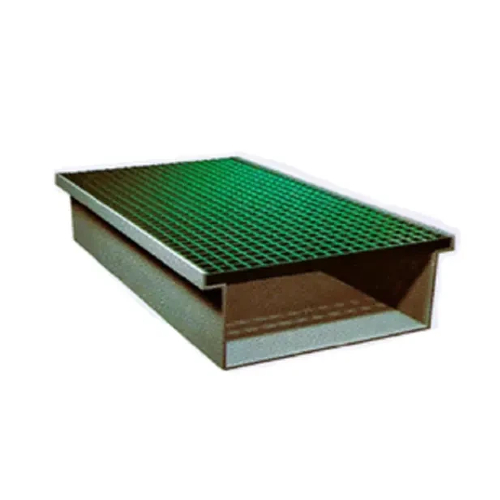
FRP stands for Fiber Reinforced Plastic, a broad category of materials that are reinforced with fibers such as glass, carbon, or aramid to enhance their strength and durability. Within the FRP family, SMC (Sheet Molding Compound) is a specific form of FRP that is manufactured under high temperatures and pressures, offering exceptional strength. The use of SMC in FRP Cable Trenches brings numerous advantages over traditional materials like concrete, making them an increasingly popular choice for modern infrastructure projects.
This article explores why replacing concrete with FRP Cable Trenches is a wise decision, highlighting the benefits in terms of durability, weight, installation ease, cost-effectiveness, and sustainability.
2. The Limitations of Concrete Cable Trenches
Concrete has been the standard material for cable trenches for decades, but it comes with a set of limitations that have made it less suitable for modern infrastructure needs.
Heavy and Difficult to Install
Concrete cable trenches are heavy and cumbersome, requiring significant labor and heavy equipment for transportation and installation. The sheer weight of concrete sections increases the installation time and cost, especially in urban environments where space and resources are often limited.
Corrosion and Wear Over Time
Concrete may seem sturdy at first, but it is highly susceptible to corrosion, particularly in damp or chemical-laden environments. Concrete can crack and degrade over time, especially when exposed to moisture, chemicals, or salts. In coastal or industrial areas, where environmental conditions are harsher, concrete cable trenches require frequent maintenance and repairs.
Maintenance Challenges
Maintaining concrete trenches can be time-consuming and costly. The cracks that form over time allow water and contaminants to infiltrate, which leads to further deterioration. Moreover, concrete trenches are prone to rusting when exposed to steel reinforcements in aggressive environments, leading to costly repairs or even complete replacements.
3. Benefits of Replacing Concrete with FRP Cable Trenches
Switching from concrete to FRP Cable Trenches offers numerous advantages. From durability to cost-efficiency, here are some key benefits that make FRP a better alternative for cable management systems.
Lightweight and Easy Installation
One of the primary reasons to replace concrete with FRP Cable Trenches is the significant reduction in weight. FRP materials, including SMC, are considerably lighter than concrete, making them easier to transport and install. The reduced weight also means fewer equipment and labor resources are required, resulting in lower installation costs and faster project timelines.
The ease of handling FRP Cable Trenches makes them particularly useful for projects in areas with limited space or where heavy machinery access is restricted. The SMC material, in particular, is designed to handle high-strength requirements while maintaining a relatively low weight.
Superior Durability and Corrosion Resistance
FRP is highly resistant to corrosion, making it an ideal material for cable trenches, especially in areas prone to moisture, chemicals, or salts. SMC is engineered to withstand high pressures and extreme temperatures, providing long-term protection for underground cables without the need for frequent maintenance.
Unlike concrete, which can degrade over time, FRP Cable Trenches maintain their structural integrity for many years, even in harsh environmental conditions. This makes them a reliable solution for urban infrastructure projects where durability is paramount.
Long-Term Cost Savings
While the upfront cost of FRP Cable Trenches may be higher than concrete, the long-term cost savings are significant. FRP is low-maintenance and resistant to corrosion, reducing the need for expensive repairs or replacements over time. Additionally, the lighter weight of FRP Cable Trenches means lower transportation and installation costs.
Moreover, because FRP does not require the same level of maintenance as concrete, it helps reduce the total cost of ownership over the life cycle of the infrastructure.
Enhanced Strength and Load-Bearing Capacity
SMC, as a form of FRP, is particularly known for its strength and load-bearing capacity. It is manufactured under high heat and pressure, making it one of the strongest materials available for cable trenches. This means FRP Cable Trenches can support heavy traffic loads, including vehicles and machinery, without compromising their structural integrity.
While FRP is lighter than concrete, its strength is comparable, if not superior, making it a perfect solution for cable protection systems in busy urban or industrial environments.
4. Sustainability of FRP Over Concrete
As global attention shifts toward sustainability, FRP Cable Trenches offer a more eco-friendly alternative to concrete.
Eco-Friendly Manufacturing
The production of FRP materials generally involves fewer environmental impacts compared to the manufacture of concrete. Concrete production is energy-intensive and produces significant amounts of carbon dioxide. In contrast, FRP can be produced using less energy, and advancements in manufacturing processes are further reducing its environmental footprint.
Recyclability
At the end of their service life, FRP materials can be recycled, unlike concrete, which typically ends up in landfills. While SMC is not as easily recyclable as some other FRP materials, the overall sustainability of FRP Cable Trenches is still much better than that of concrete. Additionally, the long lifespan of FRP materials reduces the need for frequent replacements, further contributing to sustainability.
5. How FRP/SMC Cable Trenches Improve Safety
Safety is a top priority in any infrastructure project. FRP Cable Trenches contribute to safety in several ways.
Non-Conductive Nature
One of the most significant safety benefits of FRP is its non-conductive nature. Unlike metals, FRP does not conduct electricity, making it a safer option for cable management systems that are used to house electrical cables. This reduces the risk of electrical hazards and makes FRP Cable Trenches ideal for use in environments where safety is a concern.
Impact Resistance
SMC and other FRP materials are designed to resist impacts and vibrations. Unlike concrete, which can crack under pressure, FRP Cable Trenches maintain their structural integrity even in environments prone to heavy traffic or seismic activity. This impact resistance ensures that the cables housed within the trenches remain protected.
6. Comparison of FRP and Concrete Cable Trenches
Feature | FRP Cable Trenches | Concrete Cable Trenches |
Weight | Lightweight, making handling and installation much easier, reducing transportation and equipment costs. | Heavy and cumbersome, requiring more resources for handling, transportation, and installation. |
Durability | Highly durable and resistant to corrosion, ideal for harsh environments with exposure to moisture, chemicals, or salts. | Prone to cracking and corrosion, especially when exposed to moisture or chemicals, leading to degradation over time. |
Installation | Quick and easy installation due to its lighter weight, requiring less labor and equipment. | Time-consuming and labor-intensive, needing heavy machinery and more personnel for installation. |
Maintenance | Low maintenance requirements, with minimal repairs needed due to the material's strength and corrosion resistance. | High maintenance costs, with frequent repairs and replacements required due to cracks, corrosion, and wear over time. |
Cost | Higher initial cost, but lower lifetime cost due to reduced maintenance and longer lifespan. | Lower initial cost, but higher long-term costs due to ongoing repairs and replacements. |
In summary, FRP Cable Trenches offer significant advantages in terms of weight, durability, installation speed, and long-term cost savings compared to traditional concrete trenches, making them an excellent choice for modern infrastructure projects.
7. Conclusion
Replacing concrete with FRP Cable Trenches provides numerous advantages, including improved durability, corrosion resistance, long-term cost savings, and enhanced environmental sustainability. As cities and industries expand, the need for more efficient, safer, and eco-friendly infrastructure solutions continues to grow. FRP Cable Trenches, especially those crafted from SMC, offer a superior option for managing underground cables, safeguarding critical infrastructure, and reducing the environmental impact.
At Avatar Composite, we are dedicated to providing high-quality FRP Cable Trenches designed to meet the demands of modern infrastructure projects. Our innovative solutions are engineered to offer exceptional strength, resistance to harsh conditions, and easy installation. If you're looking for reliable and sustainable cable management systems, we invite you to contact us for more information or to discuss your project needs. Let us help you build a future-proof infrastructure solution.
8. FAQ
Q1: What is the difference between FRP and SMC?
A1: FRP (Fiber Reinforced Plastic) is a broad category of materials, including various types of fibers like glass, carbon, or aramid. SMC (Sheet Molding Compound) is a specific type of FRP that is designed for high-temperature, high-pressure molding, providing exceptional strength and durability. SMC is used in applications where high performance is needed, such as in cable trench systems.
Q2: Are FRP cable trenches easy to maintain?
A2: Yes, FRP Cable Trenches require minimal maintenance. Unlike concrete, which may crack and degrade over time, FRP materials are resistant to corrosion and environmental wear, reducing the need for frequent repairs or replacements.
Q3: Can FRP cable trenches withstand heavy loads?
A3: Absolutely. SMC is specifically engineered for high strength, making FRP Cable Trenches capable of supporting heavy traffic loads and harsh conditions without compromising their structural integrity.
Q4: Is FRP more cost-effective than concrete in the long run?
A4: While FRP Cable Trenches may have a higher initial cost compared to concrete, they provide long-term savings due to their durability, low maintenance requirements, and resistance to corrosion. Over time, the reduced need for repairs and replacements makes FRP more cost-effective in the long run.
Q5: Are FRP cable trenches environmentally friendly?
A5: Yes, FRP Cable Trenches are more environmentally friendly than concrete. FRP production has a lower environmental impact, and the materials can be recycled at the end of their service life, reducing the amount of waste sent to landfills.


