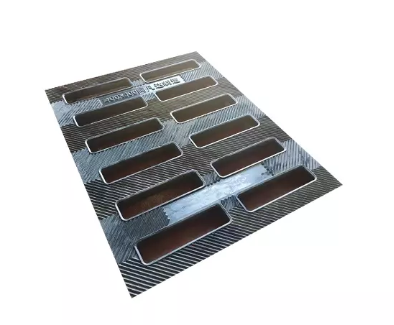
A road can look well built but still become unsafe after heavy rain. Water, mud, and smooth drainage covers can turn a normal street into a slip risk. This is why FRP Gully Grating matters. In this article, you will learn how anti-slip design, drainage performance, corrosion resistance, and proper product selection help make urban roads safer and easier to maintain.
Key Takeaways
FRP Gully Grating plays an important role in urban road drainage because it helps move stormwater away from road surfaces before it becomes a safety problem. Its anti-slip surface can improve traction near curbs, sidewalks, crossings, parking entrances, and public transport areas. Compared with many traditional metal or concrete options, FRP offers strong corrosion resistance, lighter handling, and lower maintenance pressure. It can also be selected by load rating, opening design, installation fit, and project environment. For city roads, the best choice is not only the strongest grating, but the one that balances drainage flow, road safety, user contact, weather resistance, and long-term service value.
1. Why Anti-Slip Performance Is Critical for Urban Road Safety
Wet Roads Create More Than a Drainage Problem
Rainwater is not only a drainage issue. It can change how people and vehicles move on the road. When water stays near the curb or over a drainage inlet, tires may lose grip, shoes may slip, and cyclists may face unstable contact. This becomes more serious in busy streets, where people cross roads, delivery vehicles stop, and cars turn close to the roadside.
A drainage grating should remove water, but it should also remain safe to step on or drive over. If the surface is too smooth, the grating may become a weak point in the road system. This is why anti-slip performance should be part of the product selection process from the beginning.
How Anti-Slip FRP Gully Grating Helps Reduce Slip Risks
Anti-slip FRP Gully Grating is usually designed with a textured surface. This surface helps create better contact in wet conditions. It can reduce the chance of slipping near drainage channels, sidewalks, bus stops, parking lots, and road edges.
The goal is not to make the road surface rough everywhere. The goal is to improve grip at points where water often gathers. These points are usually where users are already under pressure: pedestrians hurry across the street, cars slow near a curb, and bicycles pass through narrow roadside areas.
Why Urban Roads Need Safer Drainage Surfaces
Urban roads serve many users at the same time. Cars, motorcycles, bicycles, buses, maintenance workers, children, and older pedestrians may all pass over or near the same drainage area. A small grating surface can affect many users during a rainy day.
Smooth covers may look clean at first, but they can become riskier after wear, mud, oil, or repeated traffic contact. Anti-slip design helps the grating stay practical in real road conditions, not just in ideal installation photos.
Anti-Slip Design for Pedestrian and Vehicle Contact Areas
Some road zones need extra attention. Crosswalk edges, curbside inlets, bus stop areas, parking entrances, and road shoulders often combine water, movement, and user contact. In these areas, slip-resistant gully grating cover design is not a small detail. It directly supports public safety.
Tip: Before selecting a drainage grating, check where people will step, where vehicles will turn, and where rainwater will collect. These three points often decide the real safety demand.
2. How FRP Gully Grating Supports Urban Drainage Efficiency
Fast Surface Water Collection Along Roadsides
FRP Gully Grating helps collect rainwater along roadsides and guide it into the drainage system. This matters because water usually flows toward the curb before entering a drain. If the inlet is too small, blocked, or poorly placed, water can spread across the road surface.
A well-designed FRP road drainage grating supports fast water entry. It helps keep road surfaces clearer during rain and reduces the time water stays near traffic or pedestrian areas.
Reducing Waterlogging in Busy Urban Areas
Waterlogging can slow traffic, damage road surfaces, and increase accident risk. In commercial streets, industrial parks, and municipal roads, standing water can also affect daily operations. Drivers may avoid flooded lanes, pedestrians may walk around puddles, and maintenance teams may face more complaints.
A stormwater drain FRP grating helps by giving runoff a direct path into the underground drainage system. It is especially useful in low-lying road sections, curbside collection points, and areas that receive heavy stormwater flow.
Balancing Drainage Openings and User Safety
A drainage grating must let water pass through quickly. At the same time, its openings must not create a hazard for shoes, bicycle tires, small wheels, or cleaning tools. This balance is very important for urban roads.
If the openings are too narrow, water may not drain fast enough. If they are too wide, users may feel unsafe. Buyers should review opening size, bar layout, frame fit, and expected road use before making a decision.
Protecting Drainage Systems from Large Debris
Gully gratings also protect the drainage system from leaves, soil, plastic waste, stones, and other debris. When large debris enters the drain, it may cause clogging and reduce drainage performance during storms.
A properly selected stormwater grating helps keep water moving while blocking larger objects. This supports both drainage efficiency and easier cleaning.
Note: Drainage performance depends on both grating design and site maintenance. Even a strong grating needs regular clearing if leaves, mud, or trash often collect near the inlet.
3. Why FRP Material Is Suitable for Roadside Drainage Conditions
Corrosion Resistance in Wet and Polluted Environments
Urban drainage areas are often harsh. They may face rainwater, mud, vehicle fluids, road salt, wastewater, and polluted runoff. Metal gratings can rust in these conditions, especially when coatings wear down or scratches expose the surface.
A corrosion resistant gully grating made from FRP can perform well in wet and chemically exposed areas. It does not rely on the same corrosion protection as metal. This makes it useful for roads, industrial zones, coastal areas, and other places where moisture is common.
Lightweight Handling for Easier Installation and Maintenance
FRP is lighter than many metal or concrete alternatives. This can make transport, installation, inspection, and replacement easier. For road projects, lighter handling may reduce labor strain and shorten installation time.
This matters during road maintenance. Drainage covers may need to be opened, inspected, cleaned, or replaced. A low maintenance road grating that is easier to handle can help crews work more safely and efficiently.
Strength-to-Weight Ratio for Practical Road Applications
Although FRP is lightweight, it can still be engineered for demanding road conditions. The key is to match the product to the right load rating and installation environment. A pedestrian zone does not need the same specification as a roadway used by trucks.
Heavy duty FRP gully grating should be considered where vehicles pass frequently or where the grating sits near carriageways, shoulders, ports, or service roads. Selection should always follow project load needs, frame support, and local standard requirements.
Lower Maintenance Pressure Over the Product Lifecycle
FRP resists rust, moisture damage, and many chemical exposures. This can reduce repainting, anti-corrosion treatment, and early replacement. For cities or project owners managing many drainage points, lower maintenance pressure can bring real long-term value.
The benefit is not only cost saving. Fewer repairs also mean fewer road disruptions, fewer safety closures, and easier maintenance planning.
4. Comparing Anti-Slip FRP Gully Grating with Traditional Options
FRP Gully Grating vs Metal Gully Grating
Metal gratings are familiar and strong. They are often used in roads, drainage systems, and industrial sites. However, they may rust, become noisy under traffic, or grow slippery when the surface wears smooth. In some areas, metal theft may also create extra risk.
FRP Gully Grating offers a different balance. It can provide corrosion resistance, anti-slip texture, lighter handling, and design flexibility. For wet urban drainage areas, these features may improve long-term performance.
FRP Gully Grating vs Concrete Drainage Covers
Concrete drainage covers are heavy and can feel stable, but their weight can make installation and maintenance harder. They may also crack under stress, edge damage, or poor support conditions.
FRP is easier to handle and can be made in different colors, patterns, and sizes. This helps when a project needs both function and a cleaner urban appearance.
Key Decision Factors for Material Selection
The best grating material depends on site conditions. Buyers should compare load capacity, slip resistance, corrosion resistance, drainage flow, installation fit, maintenance needs, and lifecycle value.
Selection Factor
Why It Matters for Urban Roads
FRP Gully Grating Advantage
Anti-slip surface
Helps reduce slip risks in wet areas
Textured surface supports better contact
Corrosion resistance
Roads face water, mud, and pollutants
FRP resists rust and many chemicals
Weight
Affects handling and maintenance
Lighter than many metal or concrete options
Load rating
Must match traffic conditions
Can be selected by project demand
Drainage opening
Controls water flow and user safety
Custom layouts may support site needs
Lifecycle value
Impacts repair and replacement planning
Lower maintenance pressure over time
5. Practical Applications of Anti-Slip FRP Gully Grating on Urban Roads
Roadside Drainage Channels
Roadside drainage channels collect runoff from the road surface and direct it into the underground system. FRP Gully Grating can be used along curbs, municipal roads, industrial roads, and commercial streets. Its anti-slip surface supports safer contact near the road edge.
Pedestrian Crossings and Sidewalk Edges
Pedestrian crossings and sidewalk edges need safer surface traction because people often step near drainage inlets. During rain, these areas may become slippery. A pedestrian safe drainage grating helps reduce this risk while still allowing water to drain.
Parking Lots and Vehicle Entrances
Parking lots and entrances often deal with repeated vehicle movement and water buildup. Cars turn, stop, and accelerate over the same drainage zones. FRP grating can help manage runoff while reducing slip risks for both drivers and pedestrians.
Bus Stops, Public Squares, and Transit Areas
Public transport areas combine foot traffic, roadside water, and frequent vehicle stops. Water can gather near curbs where passengers step on and off buses. Anti-slip drainage grating helps keep these areas safer and cleaner during wet weather.
Tip: In high-footfall areas, choose grating by both load rating and user contact. A strong product is not enough if the surface is unsafe when wet.
6. What Buyers Should Check Before Choosing FRP Gully Grating
Load Rating for Road and Traffic Conditions
The first question is simple: who or what will pass over the grating? Pedestrian areas, parking lots, road edges, highways, ports, and loading zones have different load needs. Buyers should not use one general product for every location.
Technical guidance often divides manhole covers and gully gratings by load classes. This helps match the product to the installation area. For example, pedestrian zones, car parks, road edges, and truck-accessible roads usually need different grades. A wrong match can create safety and service-life problems.
Anti-Slip Surface Design
The surface should be suitable for outdoor wet use. It should help support foot and tire contact even after rain, dust, mud, or repeated use. Buyers should ask whether the anti-slip texture is part of the product design and whether it suits the expected environment.
A smooth cover may be easier to clean, but it may not be the safest option near roads or sidewalks. The right surface design should balance traction, cleanability, and long-term wear.
Drainage Opening Size and Water Flow Capacity
Opening design affects both drainage speed and user safety. Large openings may improve water flow, but they can create problems for pedestrians, cyclists, and small wheels. Small openings may feel safer, but they may reduce flow or clog more easily.
Buyers should match the opening pattern to rainfall intensity, debris conditions, cleaning frequency, and user type. This helps the drainage grating perform well during storms.
Corrosion and Weather Resistance
Urban roads expose gratings to water, UV, temperature changes, chemicals, and dirt. If the product cannot handle these conditions, it may age early or require more maintenance. FRP is often selected because it resists corrosion and weather-related damage better than many traditional options.
Installation Fit and Customization Options
A grating must fit its frame correctly. Poor fit can cause movement, noise, edge damage, or uneven contact. Buyers should confirm dimensions, frame compatibility, surface level, and installation method before ordering.
Customization can also matter. Different roads may need different colors, surface textures, opening patterns, or load grades. These options help the product fit both technical and visual requirements.
Supplier Quality Control and Testing Support
A reliable supplier should provide clear product specifications, material information, load performance details, and production consistency. This reduces procurement risk and helps project teams make better decisions.
Note: Do not select FRP Gully Grating only by price. Review load class, surface grip, drainage design, and supplier testing support before purchase.
Initial price is only one part of the decision. A cheaper grating may cost more if it rusts, cracks, becomes slippery, or needs frequent replacement. Durable FRP grating can help extend service life in wet and demanding environments.
For urban road projects, longer service life means fewer replacements and fewer interruptions. This is valuable when repairs affect traffic, pedestrians, or nearby businesses.
Reduced Maintenance Labor
Maintenance teams already manage many road assets. A grating that resists corrosion and is easier to handle can reduce labor pressure. It may also make inspection and cleaning faster.
This matters across large drainage networks. Even small time savings at each drainage point can add up when a city or project owner manages many sites.
Fewer Safety-Related Risks
A safer surface can help reduce slip-related risks in public areas. It can also support better traffic contact near road edges and drainage inlets. While no product removes every risk, anti-slip FRP Gully Grating can help improve safety where water and movement meet.
Better Long-Term Infrastructure Planning
Urban road drainage should be planned for years of use, not only for the day of installation. The right gully grating supports water flow, road safety, maintenance efficiency, and better lifecycle planning. That is why anti-slip performance, corrosion resistance, and load rating should be reviewed together.
Conclusion
Anti-slip FRP Gully Grating matters because roads need safe drainage. It helps water move fast. It also improves grip in wet areas. FRP resists corrosion and reduces maintenance pressure.Avatar Composite Co,Ltd. provides SMC and FRP urban drainage products for practical road projects. Its grating solutions help buyers improve safety, durability, and long-term value.
FAQS
Q: What is FRP Gully Grating?
A: FRP Gully Grating is a composite drainage cover used to collect road runoff.
Q: Why does anti-slip design matter?
A: It helps reduce slips near wet curbs, sidewalks, and drainage inlets.
Q: Where is FRP Gully Grating used?
A: FRP Gully Grating is used on roads, parking lots, crossings, and transit areas.
Q: Is it cheaper than metal?
A: Initial cost varies, but lower maintenance may improve lifecycle value.
Q: How does it compare with metal grating?
A: FRP Gully Grating resists corrosion and is usually easier to handle.
Avatar Composite is a leading SMC material manufacturer based in China with more than 20 years R&D experience in drainage system and municipal facilities. We produce SMC manhole covers,frame, gully grating, water box, traffic box, telecom box, cable trench, bridge drainage trench, etc.