Manhole covers play a crucial role in urban infrastructure, providing safety, functionality, and durability for cities worldwide. In recent years, materials like SMC (Sheet Molding Compound) and FRP (Fiberglass Reinforced Plastic) have become preferred choices for manhole covers over traditional Cast Iron due to their superior properties. This article will explore why SMC Manhole Covers are a better alternative than Cast Iron Manhole Covers, focusing on their benefits, economic advantages, environmental impact, and applications.
1. What is SMC and FRP?
1.1. Understanding FRP (Fiberglass Reinforced Plastic)
FRP refers to a broad category of composite materials made from a polymer matrix reinforced with fiberglass fibers. FRP materials are known for their excellent combination of strength, lightweight properties, and resistance to corrosion. Within the FRP family, there are different forms of materials that serve various purposes in different industries. FRP materials are widely used in applications requiring durability and resistance to harsh environmental conditions, making them ideal for manhole covers.
1.2. What is SMC?
SMC is a specific type of FRP material. Unlike other forms of FRP, SMC is known for being a high-strength, high-pressure molded material. It is made by combining polyester resin, fiberglass, and other additives under heat and pressure to create a dense, durable, and high-performance composite. Due to its ability to withstand high temperatures and pressures, SMC is often used in applications that demand high mechanical strength and resistance to wear, such as manhole covers.
Key Differences Between FRP and SMC
Property | FRP (Fiberglass Reinforced Plastic) | SMC (Sheet Molding Compound) |
Composition | General composite material (fiberglass + resin) | Polyester resin + fiberglass + additives (high-density) |
Manufacturing Process | Molding or lamination process | Compression molding under high pressure |
Strength | Moderate to high strength | Extremely high strength and heat resistance |
Customization | Limited flexibility in shapes and sizes | Highly customizable with precise molding capabilities |
Durability | Moderate resistance to wear and impact | Superior impact resistance and durability |
Application | General construction and infrastructure | High-performance applications (e.g., manhole covers, heavy-duty infrastructure) |
2. The Benefits of SMC Manhole Covers Over Cast Iron
2.1. Lightweight and Strong
SMC Manhole Covers provide a superior strength-to-weight ratio compared to traditional Cast Iron Manhole Covers. SMC manhole covers are significantly lighter, which makes them easier to handle, install, and transport. Despite their lightness, SMC Manhole Covers retain excellent mechanical properties, offering superior strength that allows them to endure heavy traffic loads and resist high-impact forces.
On the other hand, Cast Iron Manhole Covers are heavy, requiring more effort for installation and transportation. Their weight can make them less practical, especially in regions with frequent repairs or where transportation costs are high.
2.2. Corrosion Resistance
One of the major drawbacks of Cast Iron Manhole Covers is their susceptibility to rust and corrosion when exposed to moisture, chemicals, and environmental elements. Over time, cast iron degrades and loses its strength, leading to expensive maintenance and replacements.
SMC Manhole Covers, however, are resistant to corrosion, even in harsh environments like sewage systems, urban infrastructure, and coastal regions with high humidity. The material's resistance to water, chemicals, and environmental conditions ensures that SMC Manhole Covers last much longer, minimizing the need for frequent replacements and repairs.
2.3. Superior Durability and Longevity
The impact and wear resistance of SMC Manhole Covers are far superior to Cast Iron Manhole Covers. SMC materials are engineered to withstand extreme weather conditions—whether it's intense heat, cold, or constant exposure to water. Cast iron, in comparison, can crack and deteriorate under similar conditions, especially when exposed to saltwater or de-icing chemicals in colder climates.
Additionally, SMC Manhole Covers are highly resistant to the effects of wear caused by traffic load and abrasion. Their durability leads to longer lifespans and fewer replacements compared to cast iron alternatives.
2.4. Customization and Design Flexibility
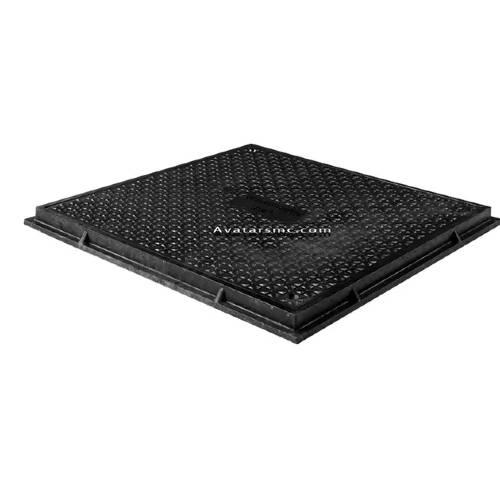
SMC Manhole Covers offer unparalleled customization capabilities. SMC can be molded into virtually any shape, size, or design required for the application, making it suitable for different types of infrastructure projects. Unlike Cast Iron, which is limited in design flexibility due to the molding process, SMC Manhole Covers allow for precise, detailed design features and the possibility of incorporating aesthetics into urban planning.
The ability to tailor SMC Manhole Covers with custom logos, patterns, or color schemes adds a layer of personalization that is not achievable with Cast Iron Manhole Covers.
3. Economic Advantages of SMC Manhole Covers
3.1. Lower Installation and Maintenance Costs
Despite the higher initial price of SMC Manhole Covers compared to Cast Iron, the total cost of ownership is lower. SMC covers are lighter and easier to install, which reduces labor and handling costs. Furthermore, due to their superior durability and corrosion resistance, SMC Manhole Covers require significantly less maintenance over their lifespan, ultimately saving costs related to repairs, replacements, and maintenance schedules.
3.2. Energy-Efficient Manufacturing
The production of SMC Manhole Covers is more energy-efficient than that of Cast Iron covers. Cast iron manufacturing requires energy-intensive processes like smelting and molding, which contribute to higher energy consumption and environmental impact. On the other hand, SMC manufacturing involves compression molding, which is more energy-efficient and produces less waste.
Additionally, SMC materials are lightweight, which reduces transportation costs and emissions associated with delivery.
4. Environmental Impact: SMC vs. Cast Iron
4.1. Sustainability of SMC Materials
SMC Manhole Covers are more environmentally friendly than Cast Iron. SMC is a recyclable material, and the production process for SMC has a lower environmental footprint compared to the resource-intensive extraction of iron ore and the energy-consuming smelting process used in cast iron production.
Cast Iron, in comparison, requires large amounts of energy during its production and contributes significantly to CO2 emissions. Additionally, the extraction of iron from the earth can lead to habitat destruction and significant environmental degradation.
4.2. Reduced Carbon Emissions
By choosing SMC Manhole Covers over Cast Iron, municipalities and construction companies can significantly reduce the carbon emissions associated with urban infrastructure. The energy efficiency in SMC production, coupled with its longevity and recyclability, makes it a more sustainable choice in the long term.
5. Applications and Use Cases for SMC Manhole Covers
5.1. Urban Infrastructure
SMC Manhole Covers are widely used in urban infrastructure due to their strength, durability, and resistance to environmental stressors. These covers are ideal for city streets, pedestrian areas, parking lots, and other high-traffic zones where both durability and aesthetic flexibility are important.
5.2. Specialized Applications
SMC Manhole Covers are also well-suited for specialized applications such as:
Transportation systems: Airports, railway stations, and metro systems where strength and customization are key.
Telecom and power systems: Ensuring that SMC Manhole Covers withstand constant usage and external stresses.
Sewage and drainage systems: In wastewater treatment plants and underground drainage systems, where corrosion resistance is essential.
6. Conclusion
In conclusion, SMC Manhole Covers offer a wide array of advantages over traditional Cast Iron Manhole Covers, making them the ideal choice for modern urban infrastructure. With their lightweight, corrosion-resistant properties and superior durability, SMC manhole covers are designed to meet the evolving needs of cities looking for cost-effective, sustainable, and high-performance solutions. Additionally, their customization flexibility allows them to seamlessly integrate into urban designs, enhancing both functionality and aesthetics. As more cities worldwide prioritize environmentally friendly and efficient infrastructure solutions, SMC materials are becoming the go-to option for manhole covers.
At Avatar Composite co., Ltd, we specialize in providing top-quality SMC and FRP manhole covers, ensuring that your infrastructure projects benefit from the latest advancements in material technology. Our expertise and commitment to sustainability make us the perfect partner for your manhole cover needs. Feel free to contact us today to learn more about our products and how we can support your next project.
7. FAQ
1. What is the difference between SMC and FRP manhole covers?
SMC is a specific type of FRP that is manufactured under high heat and pressure to create a highly durable and strong composite material. FRP, on the other hand, is a broad term that encompasses a range of materials made from fiberglass and resin, including SMC, but also other types like GRP (Glass Reinforced Plastic).
2. Why are SMC manhole covers preferred over cast iron?
SMC manhole covers are preferred due to their lightweight, corrosion resistance, longer lifespan, and cost-effectiveness. Unlike cast iron, which rusts and corrodes over time, SMC maintains its strength and integrity in harsh environmental conditions.
3. How does the cost of SMC compare to cast iron manhole covers?
While SMC manhole covers may have a higher initial cost, their long-term durability, lower maintenance needs, and lighter weight make them a more cost-effective solution over time compared to cast iron manhole covers.
4. Are SMC manhole covers environmentally friendly?
Yes, SMC manhole covers are more environmentally friendly than cast iron due to their recyclability and the energy-efficient manufacturing process, which reduces carbon emissions.
5. What industries use SMC manhole covers?
SMC manhole covers are used in a wide range of industries, including urban infrastructure, transportation systems, telecommunications, and sewage systems, thanks to their superior durability and resistance to environmental stressors.


