1. Introduction
Effective drainage is vital to prevent water damage and flooding. Without it, streets can flood, creating hazards.
One critical component of urban drainage is the kerb drain. In this article, we’ll explore how kerb drains work, focusing on the innovative FPR Kerb Drain Deck and its impact on modern solutions.
2. What is a Kerb Drain?
Definition of a Kerb Drain
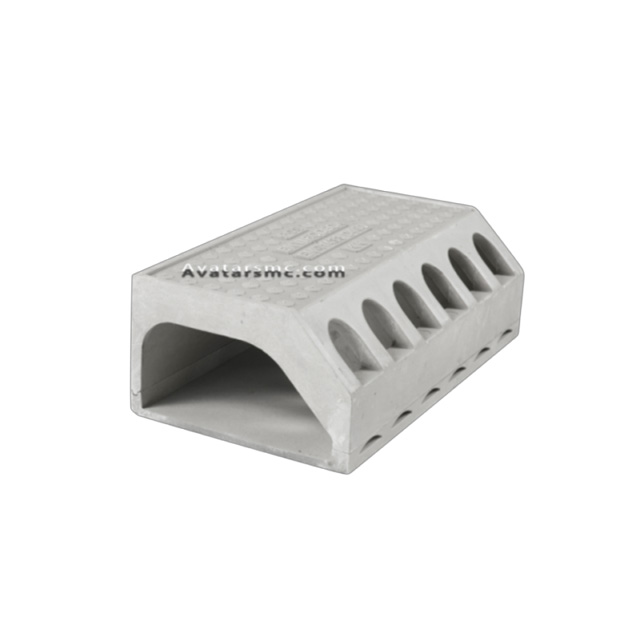
A kerb drain is a drainage system built along the edge of streets, typically at the curb line, designed to collect stormwater runoff. These drains are often positioned where road surfaces meet sidewalks or other paved areas. They function as a barrier to direct water into underground stormwater pipes, keeping the streets free of standing water.
Kerb drains are usually constructed with a sloped surface that allows water to flow toward the drainage channel. They are an integral part of urban infrastructure, as they effectively prevent water accumulation on roadways and mitigate the risk of flooding.
Function of Kerb Drains in Water Management
Kerb drains serve a primary purpose in managing stormwater runoff by collecting and channeling excess water into the stormwater system. This helps maintain the functionality of streets and roadways by preventing the buildup of water, which can cause damage to infrastructure and create dangerous conditions for drivers and pedestrians.
2.1 Types of Kerb Drains
Standard Kerb Drains
The most common type of kerb drain is the traditional concrete or metal drain. These are simple, efficient systems that serve their purpose well in collecting and channeling water away from streets. They are often found in older urban settings where the drainage infrastructure has not yet been updated to incorporate modern materials.
Innovations in Kerb Drain Technology
Recent innovations, like the FPR Kerb Drain Deck, have significantly enhanced the efficiency of drainage systems. FPR Kerb Drain Decks are made from high-performance materials that improve the flow rate, reduce maintenance needs, and offer long-term durability. This modern solution helps manage stormwater more effectively, even during heavy rainstorms, by providing a superior water-handling capacity compared to traditional kerb drains.
2.2 Common Applications of Kerb Drains
Urban Streets and Roads
Kerb drains are primarily used in urban streets and roads to manage rainwater runoff. Without these drains, water would pool on the roads, leading to flooding and potential damage to vehicles and infrastructure. Their installation helps keep roadways safe and functional during wet weather.
Driveways and Private Properties
Beyond urban streets, kerb drains are also used in private properties, particularly in driveways, where they help direct water away from the driveway and into the stormwater system. This is especially useful in areas prone to heavy rainfall, where water can otherwise accumulate and cause property damage.
3. How Do Kerb Drains Work?
Basic Working Principle of Kerb Drains
Kerb drains work by capturing water from the surface of streets and redirecting it into underground drainage systems. The system typically consists of a sloped channel, usually located at the kerb line, that funnels water into a connected stormwater pipe. This ensures that excess water is efficiently drained away, preventing flooding on streets.
Kerb drains are typically designed to collect water from the surface, whether it’s rainwater or water from a nearby property. The sloped nature of the drain ensures water naturally flows towards it and is directed into the stormwater system, where it’s safely carried away to avoid flooding or water damage.
Water Filtration and Flow Control
Modern kerb drains, especially those incorporating FPR Kerb Drain Decks, come with advanced features for better water filtration and flow control. These drains are designed to minimize the risk of blockages and ensure water flows smoothly, even during heavy rain. The use of materials like FPR increases the durability of the system, preventing clogging from debris and reducing the maintenance required.
3.1 Materials Used in Kerb Drain Construction
Traditional Materials: Concrete and Metal
Traditionally, kerb drains were made from concrete or metal. These materials, while functional, can deteriorate over time, especially under harsh weather conditions. Concrete is prone to cracking, while metal drains can rust or corrode, leading to inefficiencies in water flow and the potential for costly repairs.
Modern Materials and Advancements
FPR Kerb Drain Decks represent a significant advancement over these traditional materials. FPR (Fiberglass Reinforced Plastic) is known for its strength, durability, and resistance to corrosion. Unlike concrete or metal, FPR Kerb Drain Decks do not deteriorate under extreme weather conditions, ensuring a longer lifespan and better performance over time. They also require less maintenance, making them a cost-effective solution in the long run.
Feature | Traditional Concrete/Metal Drains | FPR Kerb Drain Deck |
Durability | Prone to cracking, rusting | Highly durable, corrosion-resistant |
Maintenance | Frequent repairs and maintenance | Low-maintenance, longer lifespan |
Water Flow Efficiency | Can become clogged | Smooth, clog-resistant flow |
Lifespan | Shorter lifespan due to wear | Long-lasting, resistant to environmental stress |
3.2 Advantages of FPR Kerb Drain Decks Over Traditional Designs
Durability and Lifespan
FPR Kerb Drain Decks outperform traditional concrete and metal drains in terms of durability. The material is highly resistant to corrosion and wear, which ensures a longer service life. Unlike concrete, FPR does not crack under stress, and unlike metal, it does not rust. This makes FPR Kerb Drain Decks a more reliable and long-lasting solution for urban drainage systems.
Cost-Effectiveness
While FPR Kerb Drain Decks may have a higher upfront cost than traditional materials, they provide long-term savings. The durability of FPR reduces the need for frequent repairs or replacements, resulting in lower overall maintenance costs. Over time, the savings on maintenance and repairs make FPR Kerb Drain Decks a more economical option for urban infrastructure.
4. Key Benefits of Kerb Drains for Flood Prevention
Flood Risk Mitigation
One of the primary benefits of kerb drains is their ability to reduce the risk of flooding. By channeling water away from roads and properties, kerb drains ensure that excess water is quickly directed into the stormwater system, preventing dangerous water pooling on streets. This helps maintain road safety, especially during heavy rain, when flooding can cause severe damage to vehicles and infrastructure.
Improved Public Safety
Efficient kerb drains contribute to improved public safety by preventing the formation of waterlogged areas on streets. These systems ensure that water is quickly moved away, reducing the chances of accidents due to slippery surfaces or hidden water hazards. Kerb drains help maintain roadways' integrity, keeping them safe for pedestrians, cyclists, and drivers alike.
4.1 FPR Kerb Drain Deck: A Game Changer in Flood Prevention
Enhanced Water Handling Capacity
The FPR Kerb Drain Deck has a significantly improved water-handling capacity compared to traditional materials. Thanks to its superior flow rates and resistance to clogging, FPR Kerb Drain Decks ensure that water is efficiently channeled away, even during heavy rain events. This makes them an essential component in urban flood prevention strategies.
Longevity and Low Maintenance
FPR Kerb Drain Decks require far less maintenance compared to traditional concrete or metal drains. Their durability means that they are less likely to become blocked or damaged over time, reducing the need for frequent repairs and increasing their lifespan. This makes FPR a smart choice for long-term flood prevention.
5. Installation and Maintenance of Kerb Drains
Installation Process
Installing kerb drains involves creating a sloped channel along the curb line, connecting it to the stormwater system. The process typically includes digging trenches, placing drainage pipes, and ensuring proper alignment for water flow. Modern systems, like the FPR Kerb Drain Deck, make installation easier due to their lightweight material and simple setup.
Installation Step | Traditional Systems | FPR Kerb Drain Deck |
Material Type | Heavy concrete/metal | Lightweight, flexible FPR |
Ease of Installation | Requires more manpower | Faster installation, minimal labor |
Connection to Stormwater | Traditional pipe fitting | Innovative fitting system for smoother integration |
Maintenance Tips for Long-Lasting Performance
Proper maintenance ensures that kerb drains remain effective over time. Regular cleaning to remove debris, leaves, and silt buildup is essential to keep water flowing smoothly. With FPR Kerb Drain Decks, maintenance is even easier, as the material is resistant to corrosion and clogging, requiring less frequent cleaning than traditional drains.
5.1 Common Issues and Troubleshooting
Blockages and Water Flow Issues
Blockages are the most common issue with kerb drains, often caused by debris or leaves. These blockages can slow or prevent water flow, leading to water accumulation. Regular maintenance and cleaning are necessary to avoid such issues. FPR Kerb Drain Decks are less prone to blockages thanks to their smooth surface, which minimizes debris buildup.
Maintenance Challenges with Older Materials
Traditional concrete and metal drains are more susceptible to cracks, rust, and corrosion, leading to costly repairs. FPR Kerb Drain Decks, on the other hand, are more resilient to these issues, reducing maintenance costs and extending the lifespan of the drainage system.
6. Comparison: FPR Kerb Drain Deck vs. Traditional Kerb Drains
Material Comparison
FPR Kerb Drain Decks offer several advantages over traditional concrete and metal drains. They are lighter, more durable, and resistant to corrosion, ensuring longer service life and better performance. Traditional drains, while functional, often suffer from wear and tear, leading to increased maintenance and repair costs.
Feature | Traditional Concrete/Metal Drains | FPR Kerb Drain Deck |
Durability | Prone to cracking, rusting | Highly durable, corrosion-resistant |
Maintenance | Frequent repairs and maintenance | Low-maintenance, longer lifespan |
Water Flow Efficiency | Can become clogged | Smooth, clog-resistant flow |
Lifespan | Shorter lifespan due to wear | Long-lasting, resistant to environmental stress |
Performance and Environmental Impact
The FPR Kerb Drain Deck is designed with sustainability in mind. It reduces the environmental impact by offering a long-lasting solution that requires less maintenance and replacement. Its durability also means fewer resources are required for repairs and replacements over time, contributing to a more eco-friendly infrastructure.
6.1 Why Choose FPR Kerb Drain Decks?
Superior Efficiency
FPR Kerb Drain Decks outperform traditional options by handling water more efficiently. Their ability to resist blockages and maintain a smooth water flow ensures that stormwater is quickly and effectively channeled away from streets.
Eco-Friendly Design
By using FPR Kerb Drain Decks, cities and municipalities can reduce their environmental footprint. The material’s longevity and low maintenance requirements contribute to a more sustainable urban drainage system.
7. Conclusion
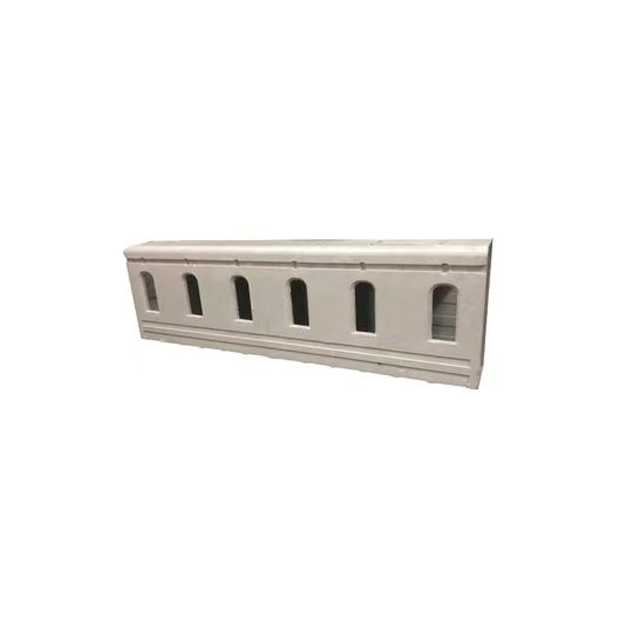
Kerb drains are a vital part of urban infrastructure, providing essential flood prevention and water management services. The introduction of FPR Kerb Drain Decks by Avatar Composite Co., Ltd. has revolutionized drainage systems, offering superior performance, durability, and eco-friendliness compared to traditional materials. Investing in FPR Kerb Drain Decks ensures a long-lasting, cost-effective solution to urban drainage challenges, improving public safety and infrastructure resilience.
FAQ
Q: What is a kerb drain and how does it work?
A: A kerb drain is a drainage system installed along the edge of streets to collect stormwater runoff. It channels water into underground pipes, preventing flooding. FPR Kerb Drain Decks are modern solutions, offering better durability and efficient water flow compared to traditional systems.
Q: Why should I choose an FPR Kerb Drain Deck?
A: FPR Kerb Drain Decks offer superior durability, corrosion resistance, and low maintenance. They ensure efficient water flow and are more cost-effective in the long run, compared to traditional concrete or metal drains.
Q: How do kerb drains prevent flooding?
A: Kerb drains collect and channel excess water from streets into stormwater systems. This prevents water from pooling on roads, reducing the risk of flooding. The enhanced water handling capacity of FPR Kerb Drain Decks makes them an effective flood prevention solution.
Q: How do I maintain a kerb drain?
A: Regular cleaning and removing debris ensure smooth water flow through the kerb drain. FPR Kerb Drain Decks require less maintenance due to their smooth surface and resistance to clogging compared to older materials.


