When it comes to building efficient and durable drainage systems, choosing the right materials is crucial for ensuring long-term performance and reliability. One such material that has gained significant popularity in recent years is FRP Gully Grating. Known for its strength, durability, and ease of installation, FRP (Fiberglass Reinforced Plastic) Gully Grating is increasingly being adopted in both commercial and industrial drainage systems. In this article, we will explore why FRP Gully Grating is the best choice for drainage systems, comparing it to other traditional materials and highlighting its numerous advantages.
What is FRP Gully Grating?
FRP Gully Grating is a type of flooring or covering made from a combination of fiberglass and resin. This composite material is used in drainage systems to cover and protect open gully channels, preventing debris from entering the drainage while allowing water to flow freely. FRP grating is highly valued for its robustness, non-corrosive properties, and ability to withstand harsh environmental conditions.
Typically, FRP grating is manufactured using a molded or pultruded process, where fiberglass strands are combined with resin to form a strong and lightweight material. The result is a product that is durable, resistant to corrosion, and highly efficient for a wide range of drainage applications.
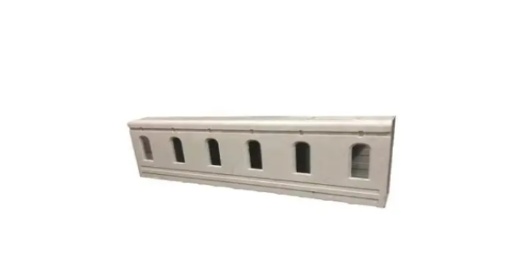
Advantages of FRP Gully Grating
In recent years, FRP Gully Grating has become increasingly popular as the material of choice for drainage systems due to its remarkable set of benefits. Made from fiberglass reinforced plastic, this grating offers a unique combination of strength, durability, corrosion resistance, and ease of maintenance. Below are the key advantages of FRP Gully Grating, which make it a standout option for drainage systems in a variety of environments.
1. Durability and Longevity
One of the main reasons that FRP Gully Grating is favored in drainage systems is its exceptional durability. Unlike traditional materials like steel or cast iron, which can quickly degrade when exposed to constant water flow or harsh environmental factors, FRP grating is virtually immune to these issues. Steel grating often rusts when exposed to water, chemicals, or extreme weather conditions, causing the material to lose its strength over time. On the other hand, FRP grating does not rust or degrade when exposed to these elements.
The fiberglass reinforcement provides high tensile strength, ensuring that the grating can withstand heavy loads without cracking or breaking. Whether it is installed in a high-traffic industrial facility, a commercial parking lot, or roads, FRP Gully Grating provides long-lasting performance. Its robust design ensures that it maintains its structural integrity over time, offering significant cost savings in terms of maintenance and replacement.
2. Corrosion Resistance
Corrosion resistance is one of the standout features of FRP Gully Grating, making it ideal for areas exposed to moisture and chemicals. Traditional materials like steel and cast iron are vulnerable to rusting when they come into contact with water and certain chemicals. This corrosion weakens the material, leading to increased maintenance costs and a shorter lifespan. FRP grating, however, does not suffer from corrosion. This makes it highly suitable for drainage systems in areas where exposure to water, acids, alkalis, or even solvents is common.
The resistant nature of FRP Gully Grating makes it a perfect fit for industries such as chemical processing, pharmaceutical manufacturing, or even food production facilities, where chemicals and moisture are present regularly. In these environments, where drainage systems are exposed to harsh conditions, FRP grating maintains its structural integrity without deteriorating over time, providing a stable and reliable surface for years.
3. Lightweight Yet Strong
Another significant advantage of FRP Gully Grating is its lightweight nature compared to traditional grating materials like steel or concrete. Despite being lighter, FRP grating does not compromise on strength. The fiberglass reinforcement ensures that the material is able to handle heavy loads, making it suitable for use in demanding environments such as roads, warehouses, and industrial facilities.
The lightweight nature of FRP also simplifies installation and maintenance. Because it is easier to handle, transport, and maneuver, FRP Gully Grating helps reduce transportation costs and allows for faster installation. This reduces labor time and can speed up project timelines, making it a more cost-effective and efficient solution than traditional grating. Moreover, the ease of handling means there is less risk of injury during installation, making it a safer choice for workers.
4. Non-Conductive Properties
FRP Gully Grating is also electrically non-conductive, unlike metal grating, which can pose a risk in environments where electrical equipment or high-voltage installations are present. This property makes FRP grating a safer option for drainage systems in places like chemical plants, oil refineries, or any facility with electrical installations.
The non-conductive nature of FRP significantly reduces the risk of electrical accidents, such as sparks or short circuits, that could arise in environments where electrical safety is critical. This makes it especially valuable in hazardous areas where explosions or electrical faults could pose a serious risk to workers and the facility itself.
5. Low Maintenance Costs
Thanks to its corrosion resistance and long lifespan, FRP Gully Grating requires very little maintenance once installed. Unlike metal gratings that need frequent painting or coating to prevent rust and corrosion, FRP grating does not require regular upkeep. This results in lower maintenance costs over the long term, providing a more cost-effective solution for drainage systems.
Even in harsh environments, FRP grating remains functional without the need for constant inspections or repairs. This reduces the overall cost of ownership, as well as the downtime associated with maintenance.
6. Easy Installation
Installation of FRP Gully Grating is straightforward and efficient. The lightweight nature of the material makes it easier to transport and maneuver, which speeds up the installation process. Additionally, FRP grating can be easily customized to fit the specific dimensions of a drainage system, ensuring a perfect fit for any project.
FRP grating is also flexible in design, allowing for various slot sizes, thicknesses, and load capacities to meet the specific requirements of a drainage system. Whether it’s for a small residential drain or a large-scale industrial drainage system, FRP Gully Grating can be tailored to suit the application.
7. Environmental Benefits
FRP Gully Grating is also a more environmentally friendly option compared to traditional materials like metal or concrete. The production of FRP grating has a lower carbon footprint, and since it is highly durable and resistant to corrosion, it reduces the need for replacement or frequent repairs, which can result in a significant amount of waste over time.
Moreover, FRP grating is fully recyclable, ensuring that the material can be repurposed or reused at the end of its lifespan, further minimizing its environmental impact.
FRP Gully Grating vs Other Materials
While FRP Gully Grating has numerous advantages, it is important to compare it to other commonly used materials in drainage systems. Here, we’ll look at how FRP stacks up against traditional steel, cast iron, and concrete gratings.
Property | FRP Gully Grating | Steel Grating | Cast Iron Grating | Concrete Grating |
Corrosion Resistance | Excellent | Poor | Moderate | Good |
Weight | Lightweight | Heavy | Heavy | Heavy |
Maintenance | Low | High | High | Moderate |
Cost | Moderate | High | High | Low |
Installation | Easy | Difficult | Difficult | Moderate |
Load Capacity | High | High | High | Moderate |
As shown in the table, FRP Gully Grating outperforms steel and cast iron in terms of corrosion resistance and weight, making it easier to handle and install. Additionally, it is a low-maintenance option, reducing the overall lifetime cost of a drainage system. While concrete may offer a cost advantage, FRP grating provides far superior durability and longevity, making it a better investment in the long term.
Applications of FRP Gully Grating
FRP Gully Grating is suitable for a wide range of applications, including:
Commercial Drainage Systems: Perfect for use in shopping malls, office complexes, and parking lots where durability and aesthetics are important.
Industrial Environments: FRP grating is ideal for factories, chemical plants, and oil refineries, where chemical resistance and strength are required.
Municipal Drainage: Used in roadways, gutters, and public spaces where a lightweight and corrosion-resistant solution is needed.
Marine and Coastal Areas: Withstanding exposure to saltwater and harsh marine environments, FRP Gully Grating is commonly used in harbors, piers, and coastal infrastructure.
Why Choose FRP Gully Grating for Your Drainage System?
At Avatar Composite Co., Ltd., we understand the importance of selecting the right materials for drainage systems. We specialize in providing high-quality FRP Gully Grating designed to meet the toughest challenges in various industries. Our products are engineered to offer superior strength, corrosion resistance, and longevity, ensuring your drainage systems perform optimally for years to come.
We invite you to explore our range of FRP solutions and discover how we can support your project needs. Our team of experts is always available to discuss your requirements and provide tailored solutions for efficient, durable drainage systems. Let Avatar Composite Co., Ltd. help you optimize your drainage infrastructure with our trusted, innovative products.


